
Reflexe & Reflexionen
Performing Arts Season
Performing Arts Season 2026/27
Myths that tell of the world’s origins and rituals that connect humans to nature and the earth serve as the very source of identity, allowing humans to anchor themselves in history, confirm their roots in a particular land, and affirm their coexistence with others. Myths often depict battles, not to make humans hostile, but to provoke deep reflection on how tragic and devastating the consequences of war truly are. Some ancient rituals, including those involving sacrifice, may seem brutal by modern standards, but they were not intended to stimulate sadism; rather, they served to affirm the vulnerability and preciousness of life. It is fair to say that a sense of awe for the dignity of life has sustained these traditions.
The immediacy that characterises the practice of performing arts is a mechanism for activating a community’s collective imagination and emotion, and its origins can likely be traced back to songs and dances praying for harvests. There, mythical narratives unfolded, ritualistic forms became established as local festivals, and were passed down continuously across generations. In other words, myths and rituals can also be said to be the origins of performing arts. Now, let us ask ourselves anew: Can contemporary performing arts serve not as something that divides us living in the modern world, but as something that connects us? And can they inspire a sense of awe and reverence for life and its dignity? It is by returning to this fundamental meaning of performing arts that this 2026/27 Performing Arts Season has been conceived.
Programme
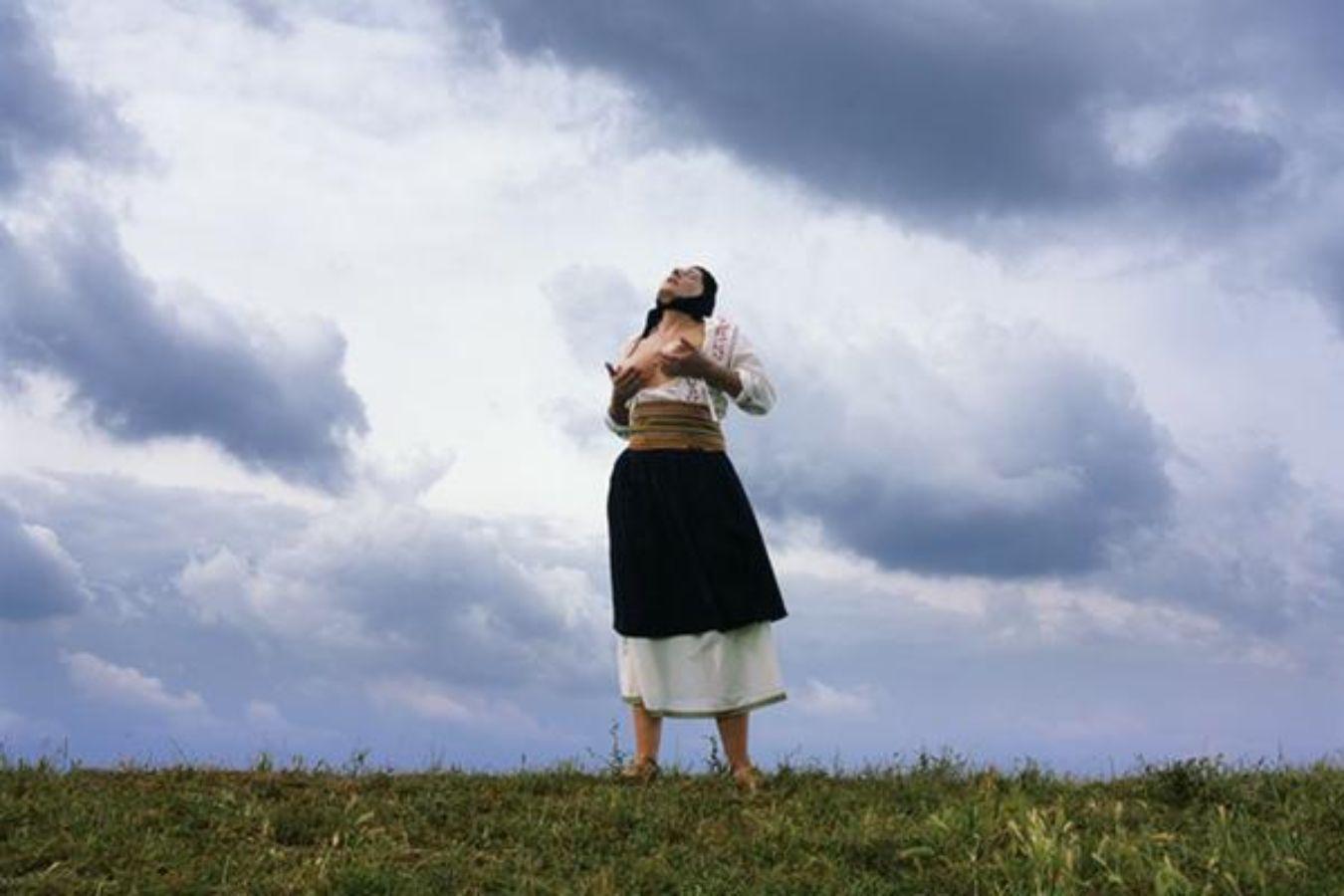
We open the fourth Performing Arts Season on 13 October with a bold new performance work: the stage version of Balkan Erotic Epic by the seminal iconic performance artist, Marina Abramović, will premiere in Germany. This durational ritual where ancient Balkan myths meet performance art explores until 17 October the eroticism, spirituality and traditions of Abramović’s homeland, brought to life by a cast of more than 30 performers, dancers, musicians and singers. Furthermore, she hosts an exhibition of the same name that opened in April at Gropius Bau.
Concept/Design: 3pc
© Berliner Festspiele / Performing Arts Season 2026
Impressions

Marina Abramović, Scaring the Gods from the series Balkan Erotic Epic, Performance documentation, Factory International, 2025, Manchester, UK
© Marina Abramović, Courtesy of the Marina Abramović Archives / VG Bild-Kunst, Bonn 2026, photo: Marco Anelli

MAMI
© Pinelopi Gerasimou

Gla55. 10 movements to the music of Philip Glass
© Anne Van Aerschot
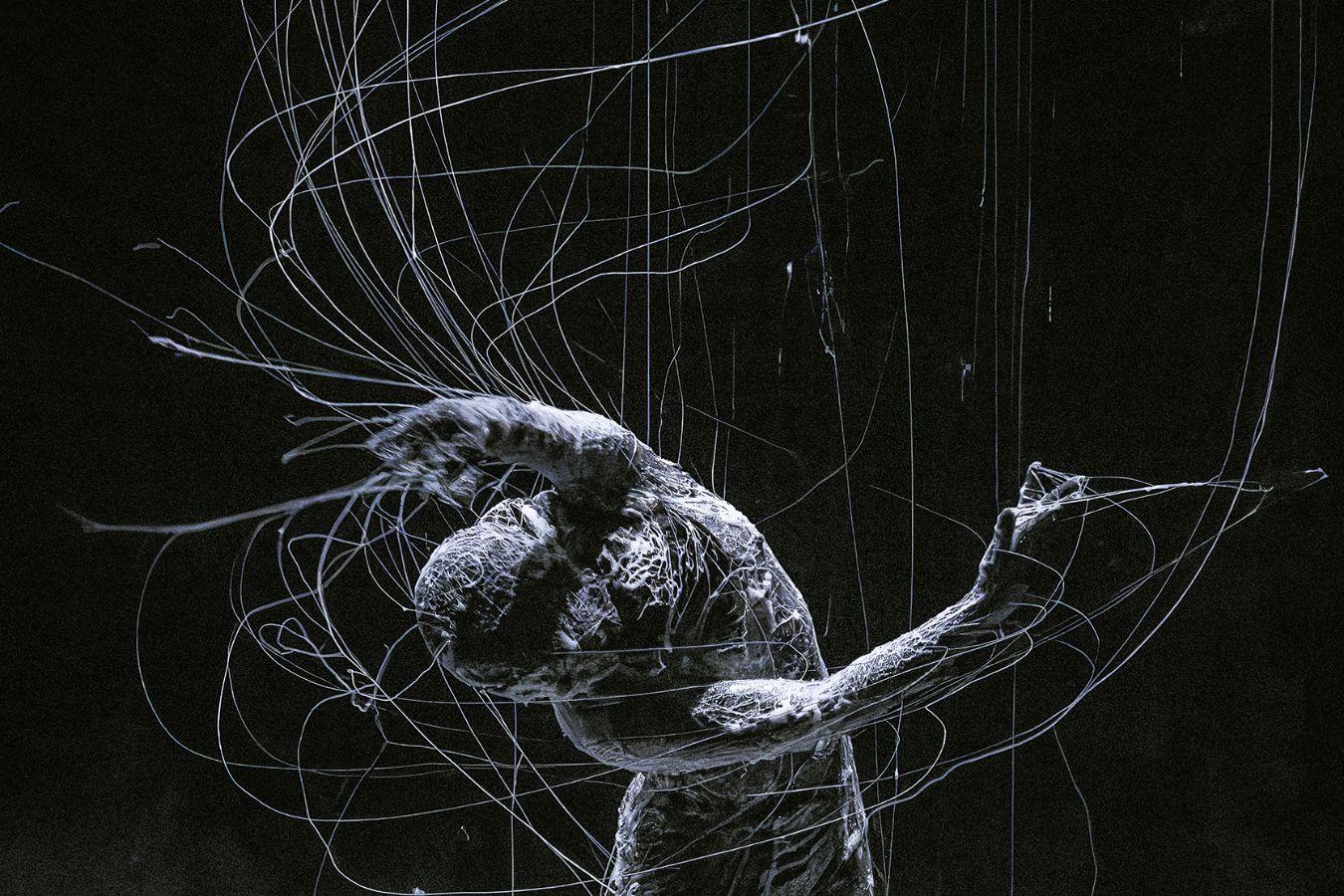
Planet [wanderer]
© Yoshikazu Inoue

MAGNIFICAT
© Sylvie-Ann Paré, dancers: Michael Baboolal, Adrian W.S. Batt, Justin Calvadores, Rose Gagnol, Valeria Galluccio, Luigi Luna, Carol Prieur, Sophie Qin, Celeste Robbins, Clémentine Schindler, Ana Van Tendeloo, Jérôme Zerges

2020
© Kazuo Fukunaga

Thikra: A Night of Remembering
© Camilla Greenwell

Archives of Feelings
© Jean-Louis Fernandez

Último helecho
© Nina Laisné

The Great Yes, The Great No, July 2024
© Monika Rittershaus

Showroomdummies #4
© Yuki Moriya

Wayward Chant, Ligia Lewis
© Berliner Festspiele, photo: Frank Sperling

Dancing Idiots
© Armin Smailovic

Post Orientalist Express, Eun-Me Ahn, 2025
© Jean-Marie Chabot

MOMO, Batsheva Dance Company
© Ascaf

Dies ist keine Botschaft (Made in Taiwan), Stefan Kaegi
© Claudia Ndebele I Dies ist keine Botschaft (Made in Taiwan)

Verrückt nach Trost, Thorsten Lensing
© SF / Armin Smailovic

Bark of Millions, Taylor Mac
© Berliner Festspiele, photo: Fabian Schellhorn

Il Cimento dell’Armonia e dell’Inventione, Anne Teresa De Keersmaeker, Radouan Mriziga / Rosas, A7LA5
© Anne Van Aerschot

Glacial Decoy (1979), Trisha Brown Dance Company
© Maria Baranova

Der Garten der Lüste, Philippe Quesne
© Martin Argyroglo

Four New Works, Lucinda Childs
© Berliner Festspiele, photo: Fabian Schellhorn

Put your heart under your feet…and walk!, Steven Cohen
© Pierre Planchenault

MIKE, Dana Michel
© Françoise Robert

INK, Dimitris Papaioannou
© Julian Mommert

Corps extrêmes, Rachid Ouramdane
© Pascale Cholette

Club Amour, Café Müller, Tanztheater Wuppertal
© Oliver Look

Aerocircus – A Play by Thomas Köck, RambaZamba
© Phillip Zwanzig
Marina Abramović, Scaring the Gods from the series Balkan Erotic Epic, Performance documentation, Factory International, 2025, Manchester, UK
© Marina Abramović, Courtesy of the Marina Abramović Archives / VG Bild-Kunst, Bonn 2026, photo: Marco Anelli
MAMI
© Pinelopi Gerasimou
Gla55. 10 movements to the music of Philip Glass
© Anne Van Aerschot
Planet [wanderer]
© Yoshikazu Inoue
MAGNIFICAT
© Sylvie-Ann Paré, dancers: Michael Baboolal, Adrian W.S. Batt, Justin Calvadores, Rose Gagnol, Valeria Galluccio, Luigi Luna, Carol Prieur, Sophie Qin, Celeste Robbins, Clémentine Schindler, Ana Van Tendeloo, Jérôme Zerges
2020
© Kazuo Fukunaga
Thikra: A Night of Remembering
© Camilla Greenwell
Archives of Feelings
© Jean-Louis Fernandez
Último helecho
© Nina Laisné
The Great Yes, The Great No, July 2024
© Monika Rittershaus
Showroomdummies #4
© Yuki Moriya
Wayward Chant, Ligia Lewis
© Berliner Festspiele, photo: Frank Sperling
Dancing Idiots
© Armin Smailovic
Post Orientalist Express, Eun-Me Ahn, 2025
© Jean-Marie Chabot
MOMO, Batsheva Dance Company
© Ascaf
Dies ist keine Botschaft (Made in Taiwan), Stefan Kaegi
© Claudia Ndebele I Dies ist keine Botschaft (Made in Taiwan)
Verrückt nach Trost, Thorsten Lensing
© SF / Armin Smailovic
Bark of Millions, Taylor Mac
© Berliner Festspiele, photo: Fabian Schellhorn
Il Cimento dell’Armonia e dell’Inventione, Anne Teresa De Keersmaeker, Radouan Mriziga / Rosas, A7LA5
© Anne Van Aerschot
Glacial Decoy (1979), Trisha Brown Dance Company
© Maria Baranova
Der Garten der Lüste, Philippe Quesne
© Martin Argyroglo
Four New Works, Lucinda Childs
© Berliner Festspiele, photo: Fabian Schellhorn
Put your heart under your feet…and walk!, Steven Cohen
© Pierre Planchenault
MIKE, Dana Michel
© Françoise Robert
INK, Dimitris Papaioannou
© Julian Mommert
Corps extrêmes, Rachid Ouramdane
© Pascale Cholette
Club Amour, Café Müller, Tanztheater Wuppertal
© Oliver Look
Aerocircus – A Play by Thomas Köck, RambaZamba
© Phillip Zwanzig
Marina Abramović, Scaring the Gods from the series Balkan Erotic Epic, Performance documentation, Factory International, 2025, Manchester, UK
© Marina Abramović, Courtesy of the Marina Abramović Archives / VG Bild-Kunst, Bonn 2026, photo: Marco Anelli
MAMI
© Pinelopi Gerasimou
Gla55. 10 movements to the music of Philip Glass
© Anne Van Aerschot
Planet [wanderer]
© Yoshikazu Inoue
MAGNIFICAT
© Sylvie-Ann Paré, dancers: Michael Baboolal, Adrian W.S. Batt, Justin Calvadores, Rose Gagnol, Valeria Galluccio, Luigi Luna, Carol Prieur, Sophie Qin, Celeste Robbins, Clémentine Schindler, Ana Van Tendeloo, Jérôme Zerges
2020
© Kazuo Fukunaga
Thikra: A Night of Remembering
© Camilla Greenwell
Archives of Feelings
© Jean-Louis Fernandez
Último helecho
© Nina Laisné
The Great Yes, The Great No, July 2024
© Monika Rittershaus
Showroomdummies #4
© Yuki Moriya
Wayward Chant, Ligia Lewis
© Berliner Festspiele, photo: Frank Sperling
Dancing Idiots
© Armin Smailovic
Post Orientalist Express, Eun-Me Ahn, 2025
© Jean-Marie Chabot
MOMO, Batsheva Dance Company
© Ascaf
Dies ist keine Botschaft (Made in Taiwan), Stefan Kaegi
© Claudia Ndebele I Dies ist keine Botschaft (Made in Taiwan)
Verrückt nach Trost, Thorsten Lensing
© SF / Armin Smailovic
Bark of Millions, Taylor Mac
© Berliner Festspiele, photo: Fabian Schellhorn
Il Cimento dell’Armonia e dell’Inventione, Anne Teresa De Keersmaeker, Radouan Mriziga / Rosas, A7LA5
© Anne Van Aerschot
Glacial Decoy (1979), Trisha Brown Dance Company
© Maria Baranova
Der Garten der Lüste, Philippe Quesne
© Martin Argyroglo
Four New Works, Lucinda Childs
© Berliner Festspiele, photo: Fabian Schellhorn
Put your heart under your feet…and walk!, Steven Cohen
© Pierre Planchenault
MIKE, Dana Michel
© Françoise Robert
INK, Dimitris Papaioannou
© Julian Mommert
Corps extrêmes, Rachid Ouramdane
© Pascale Cholette
Club Amour, Café Müller, Tanztheater Wuppertal
© Oliver Look
Aerocircus – A Play by Thomas Köck, RambaZamba
© Phillip Zwanzig
In the Media Library
In a lecture at the Performing Arts Season 2025/26, Gisèle Vienne offered insights into the significance of dolls in her work. Interviews, essays, and videos from previous editions of the Performing Arts Season, including contributions by Anne Teresa De Keersmaeker, Trisha Brown, Lucinda Childs, Akram Khan and Philippe Quesne, are still available in the Berliner Festspiele Media Library.
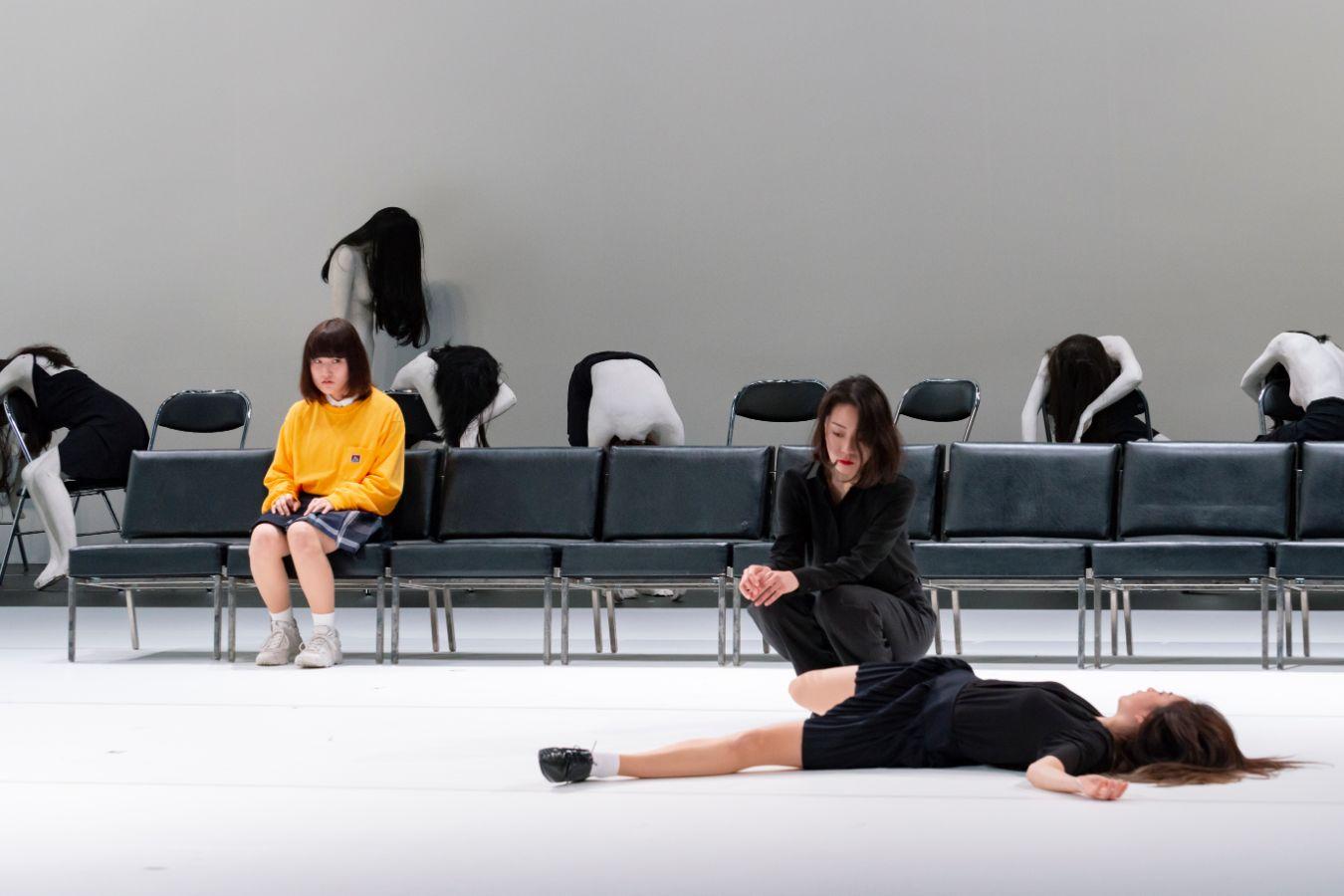
Showroomdummies#4, Centre Pompidou 2021
© Yuki Moriya
About Performing Arts Season
Berliner Festspiele’s Performing Arts Season has been presenting a range of outstanding international dance, theatre and performance productions at the Haus der Berliner Festspiele and Gropius Bau during the autumn and winter months. Some of the works shown are co-produced by the Berliner Festspiele or specially produced in Berlin.