75 Years of the Berliner Festspiele
75 Years of the Berliner Festspiele
© Berliner Festspiele, photo: Fabian Schellhorn
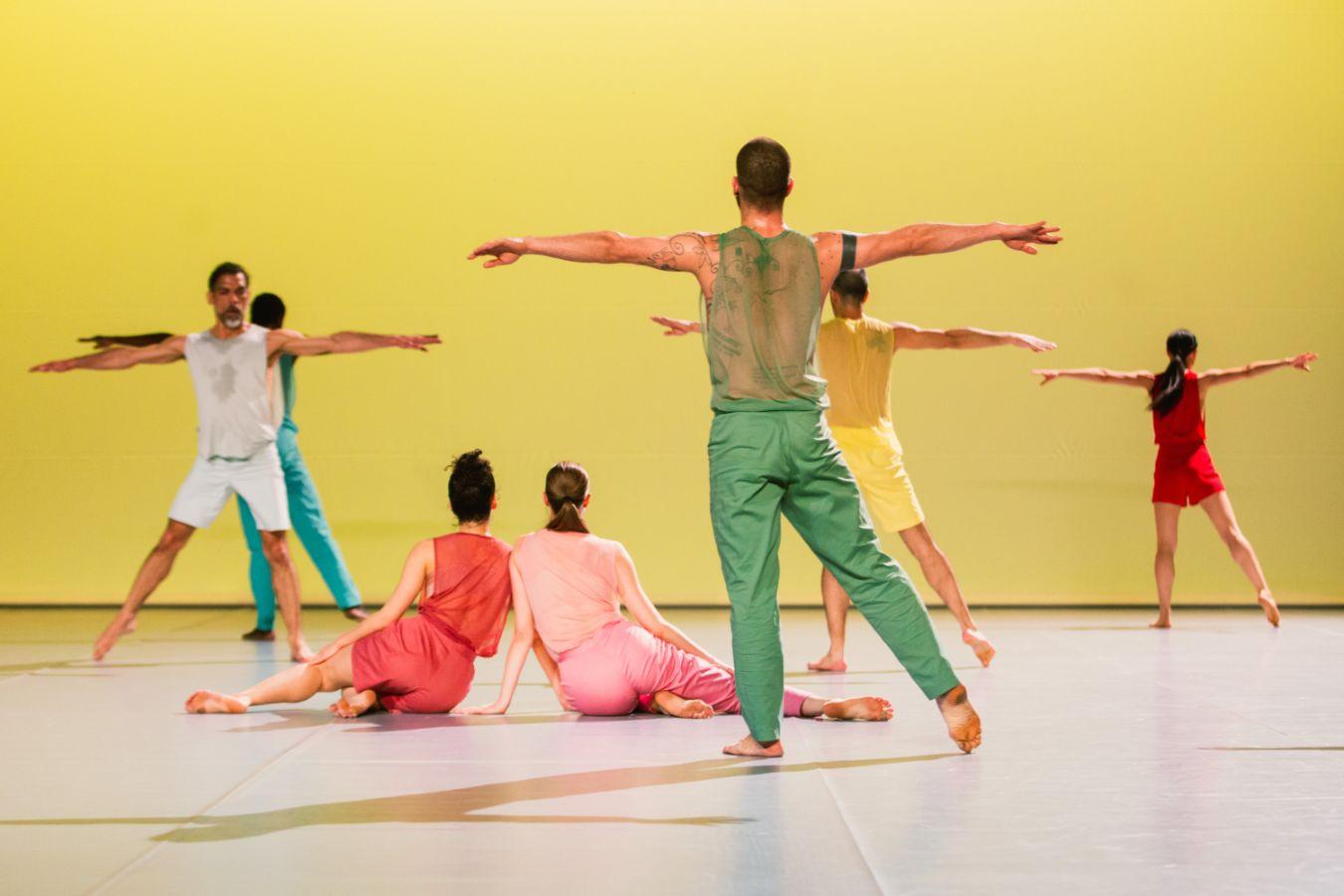
In 2026 the Berliner Festspiele celebrate their 75th anniversary. A selection of events programmed throughout the entire year engage take the anniversary as their theme or mark the occasion with works at the Haus der Berliner Festspiele, the Gropius Bau, the Philharmonie Berlin, on Berlin’s Ringbahn and at other locations in the city. Outstanding international artists such as Marina Abramović, Gabriele Stötzer and Akira Takayama will set the agenda both thematically and aesthetically. Entitled Die große Unordnung (The Great Disorder), the four-day focus Reflexes & Reflections will also enquire about the challenges.
75 years of the Berliner Festspiele!
75 years of music, theatre, dance, literature and visual arts in Berlin!
75 years of consistent innovation and daring with magnificent international, intermedia, interdisciplinary and intercultural art!
Congratulations and best wishes for the future,
dear Berliner Festspiele!
Frank-Walter Steinmeier, Federal President
Essay
75 Years Experimenting with Freedom
Another short history of the Berliner Festspiele
On the occasion of its 75th anniversary, Matthias Pees, Director of the Berliner Festspiele, explores the eventful history of the institution in an essay. In 75 Years Experimenting with Freedom, he traces the development of the Berliner Festspiele within the tension between artistic freedom and systemic rivalry: founded in 1951 under the name Berliner Festwochen as a frontline institution of the Cold War (“shop window onto the free West”), they have evolved into a platform for outstanding contemporary art from all over the world.
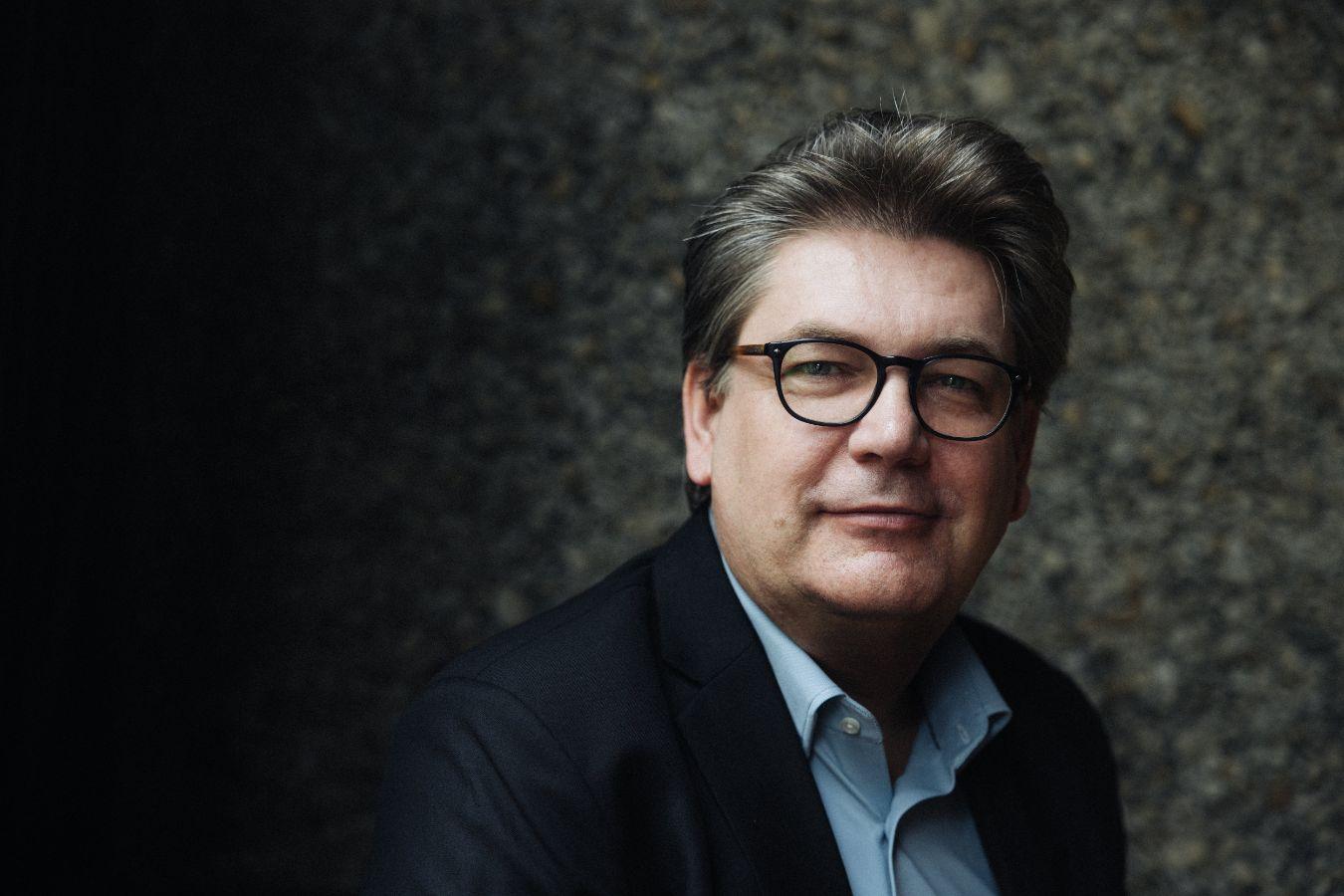
Matthias Pees
© Marlena Waldthausen
15 April to 30 August 2026 | 13 to 17 October 2026
Marina Abramović: Balkan Erotic Epic
In the anniversary year Marina Abramović, one of the most influential performance artists to this day, will feature both at the Gropius Bau and in the Performing Arts Season at the Haus der Berliner Festspiele with her work Balkan Erotic Epic:
Balkan Erotic Epic. The Exhibition can be seen at the Gropius Bau from April 2026. Based on the folklore of the Balkans – the region in which Abramović grew up – the artist interweaves filmic and sculptural installations with live performances. In these she explores eroticism as a bridge between life and death that connects the self with the cosmos.
In October 2026 the Performing Arts Season presents Balkan Erotic Epic. The Stage Version at the Haus der Berliner Festspiele. Based on her eponymous video work from 2005, Abramović creates a powerful new stage work about female energy, shame, desire and the relationship between the body and history.
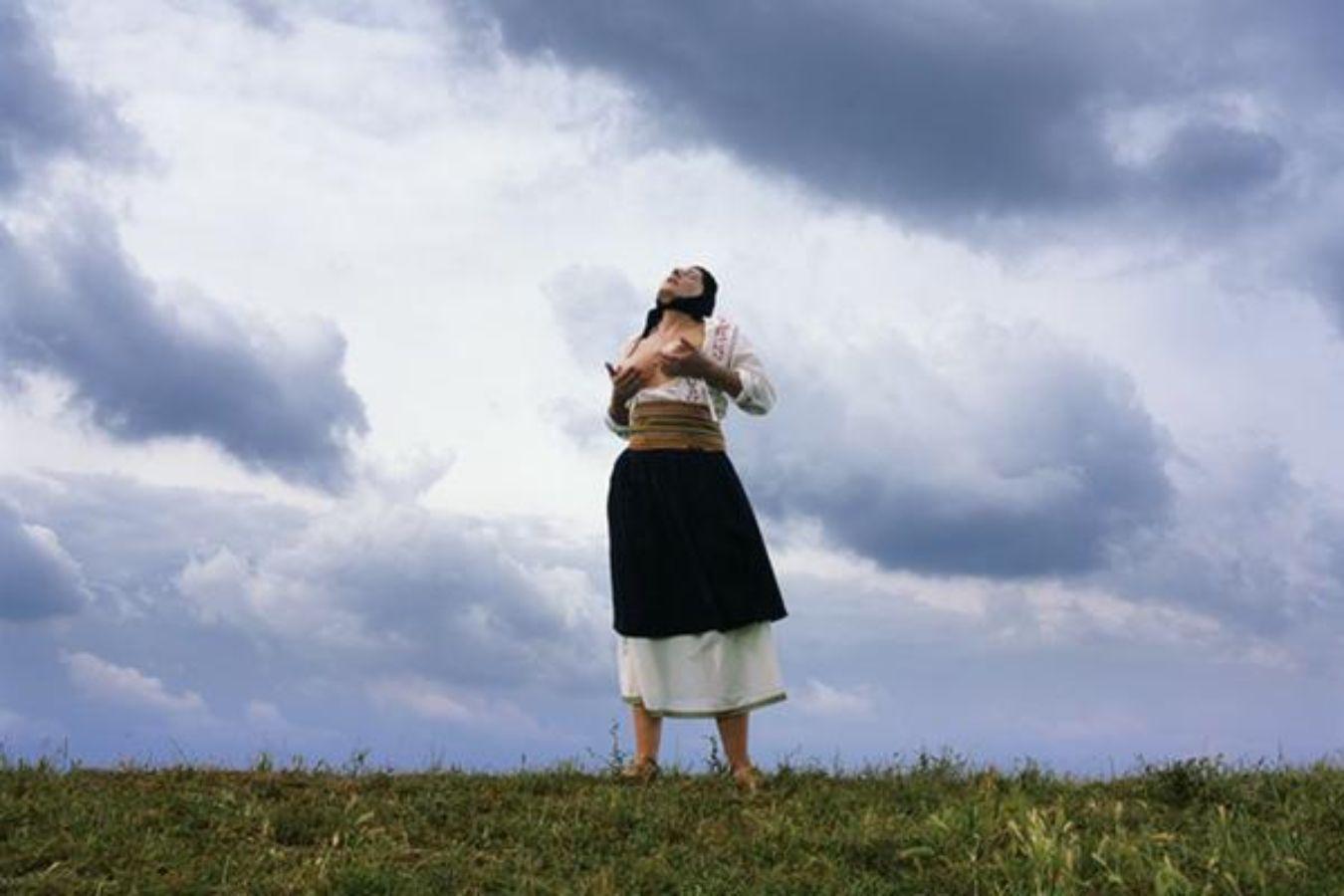
Marina Abramović, Women Massaging Breasts I from the series Balkan Erotic Epic, C-Print, 2005, Serbia
© Marina Abramović, Courtesy of the Marina Abramović Archives / VG Bild-Kunst, Bonn 2026
19 June to 6 December 2026
Gabriele Stötzer
Exhibition and Anniversary Poster
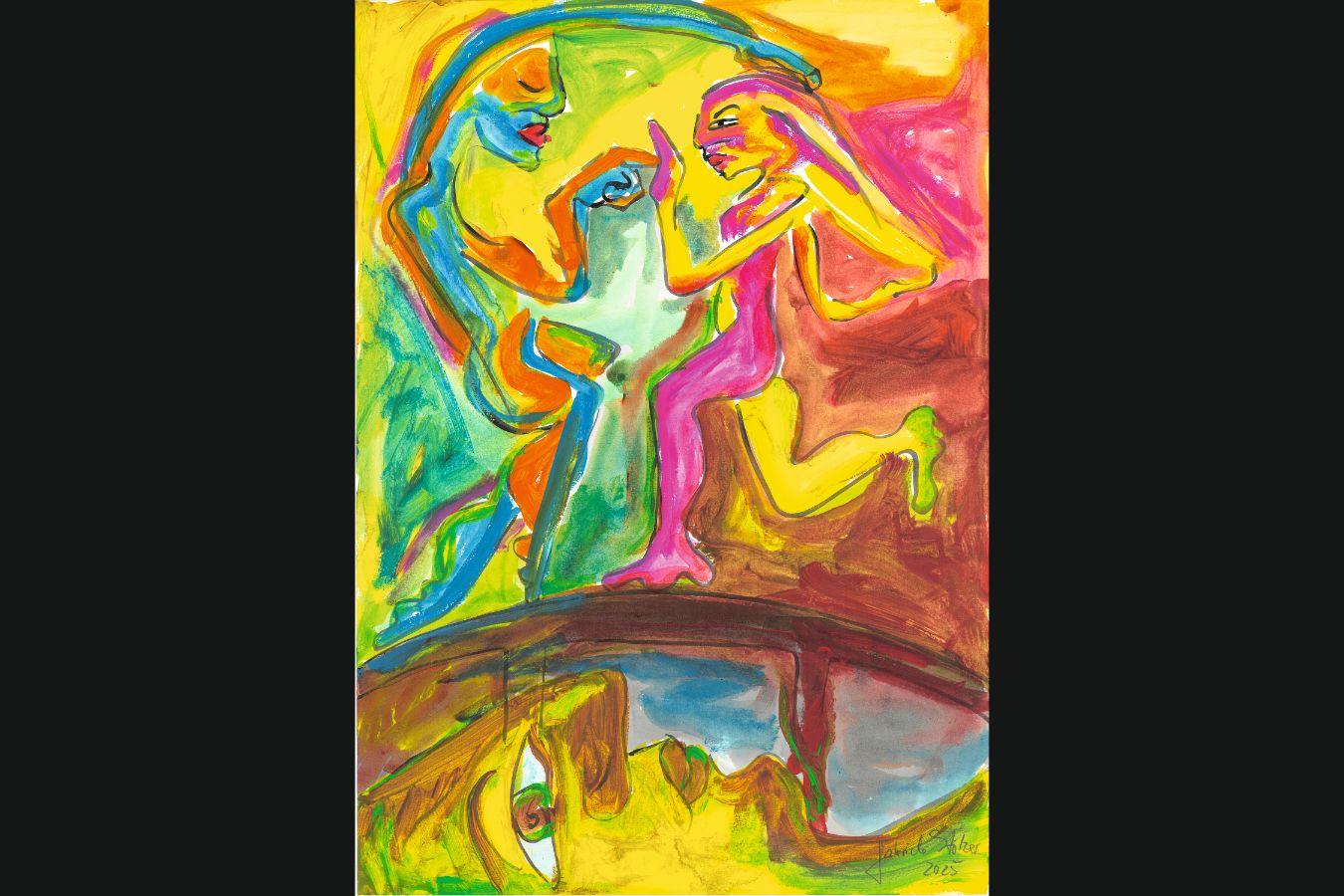
Gabriele Stötzer, who will be awarded the Goslarer Kaiserring, one of the world’s most prestigious art prizes, in October 2026, has designed a poster that is available in an exclusive special edition from May. For more than five decades she has grappled with questions of justice, gender and self-determination. Her own body often plays a central role in her work – not as an object, but as a site of resistance and feminist self-assertion. With Dabei sein und nicht schweigen, the Gropius Bau presents the artist’s largest institutional solo show to date, opening in June 2026.
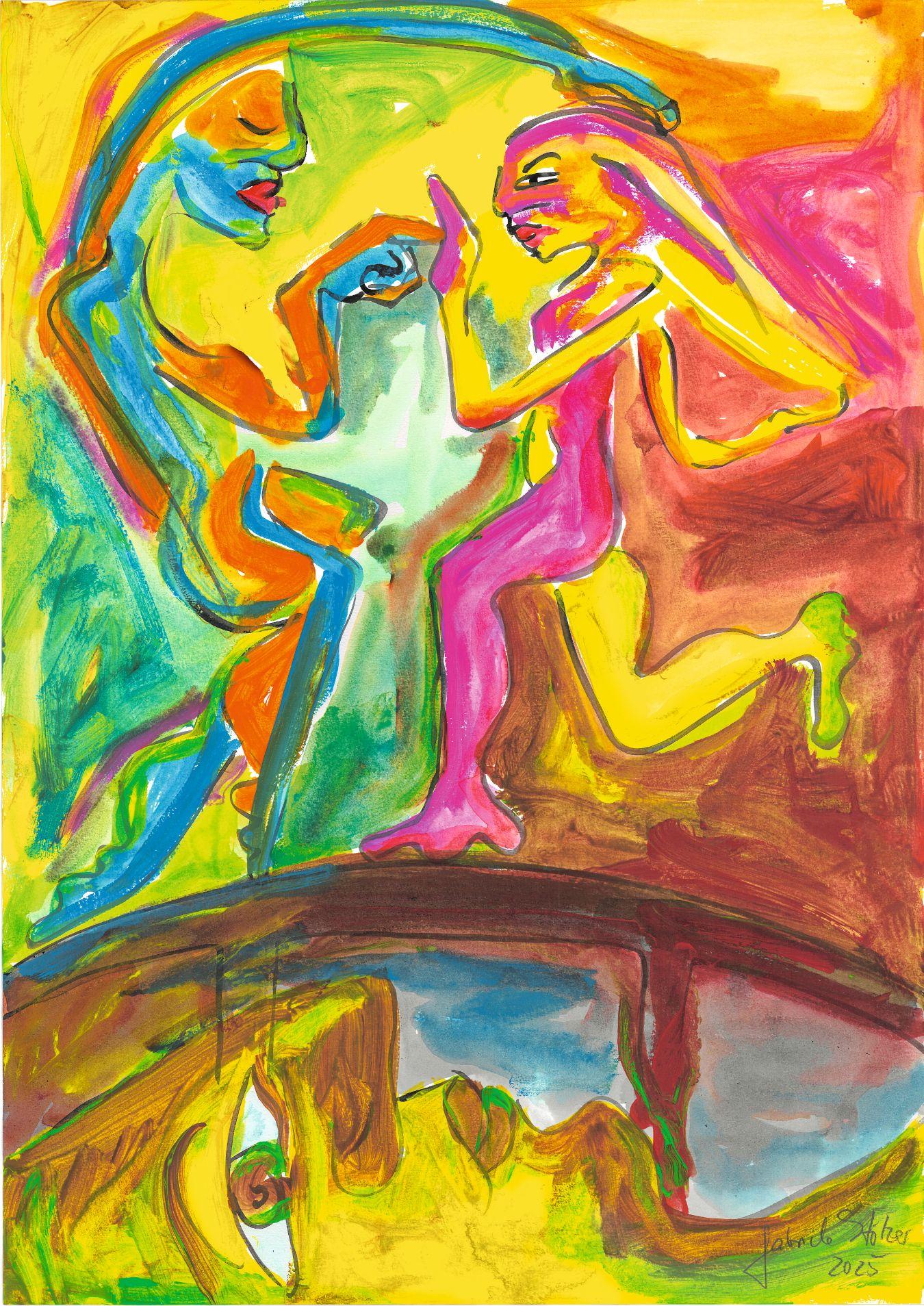
Gabriele Stötzer, Brückenbegegnung, Linz 2025
© VG Bild-Kunst, Bonn 2026
27 to 30 August 2026
Reflexes & Reflections
The Great Disorder
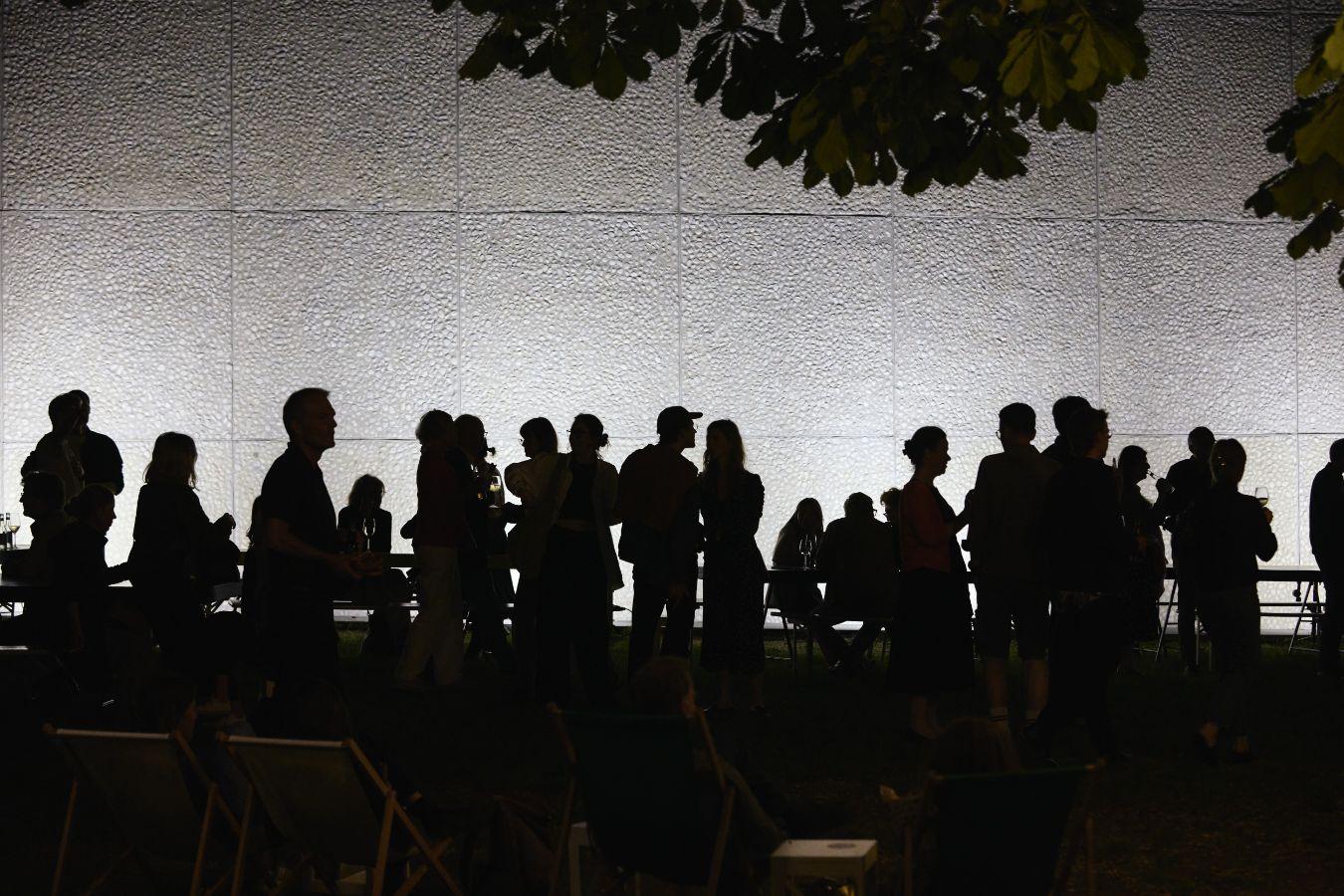
The Berliner Festspiele are a cultural institution closely connected with the changing history of Berlin and the partition of Europe. But what marks out the present state of the world? What are the political, social and cultural consequences derived from a global order that is increasingly shaped by wars, imperial power grabs and multipolar lines of conflict? The four-day focus Reflexes & Reflections Die große Unordnung (The Great Disorder) will examine the effects of these developments on liberal democracies and international co-operation.
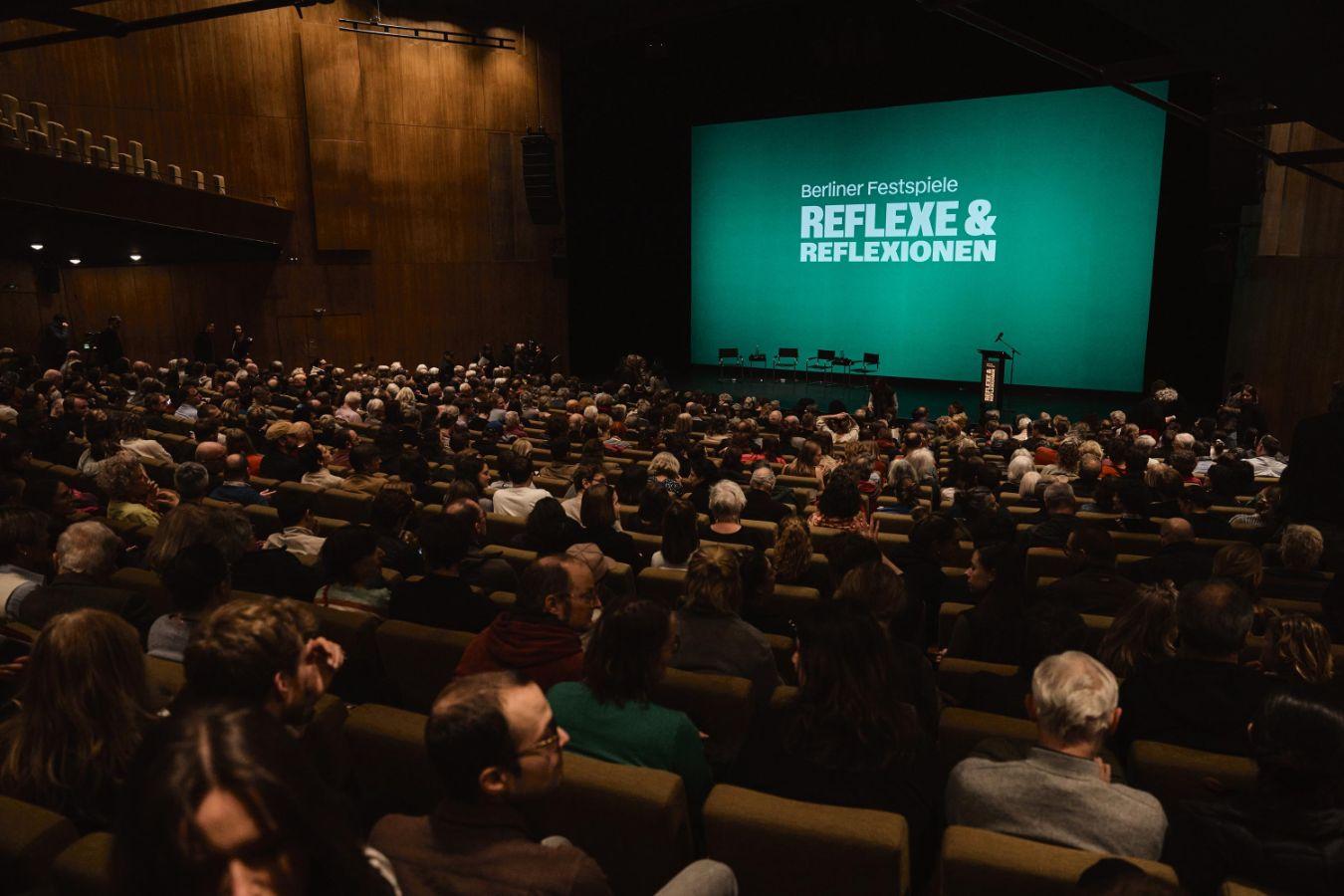
© Berliner Festspiele, photo: Fabian Schellhorn
28 August to 23 September 2026
Musikfest Berlin
Opening with Le Grand Macabre by György Ligeti on 28 August 2026 in co-operation with the Berliner Philharmoniker Foundation, this year’s Musikfest Berlin revolves entirely around the 75th anniversary of the Berliner Festspiele. Ligeti’s only opera is a profoundly dark parable of war and the end of the world, but ultimately humour gains the upper hand and helps to overcome the fear of death. György Ligeti’s music was repeatedly performed at the Berliner Festwochen, and later at the Musikfest Berlin from the 1960s onwards: “My home is actually Berlin, as strange as that may sound. […] The city has become highly interesting through its proximity between West and East”, the composer remarked in 2003.
The exceptional work Tutuguri by the young Wolfgang Rihm, Hans Werner Henze’s Tristan and a concert performance of the opera Porgy and Bess are among the highlights of the programme that marks the anniversary.
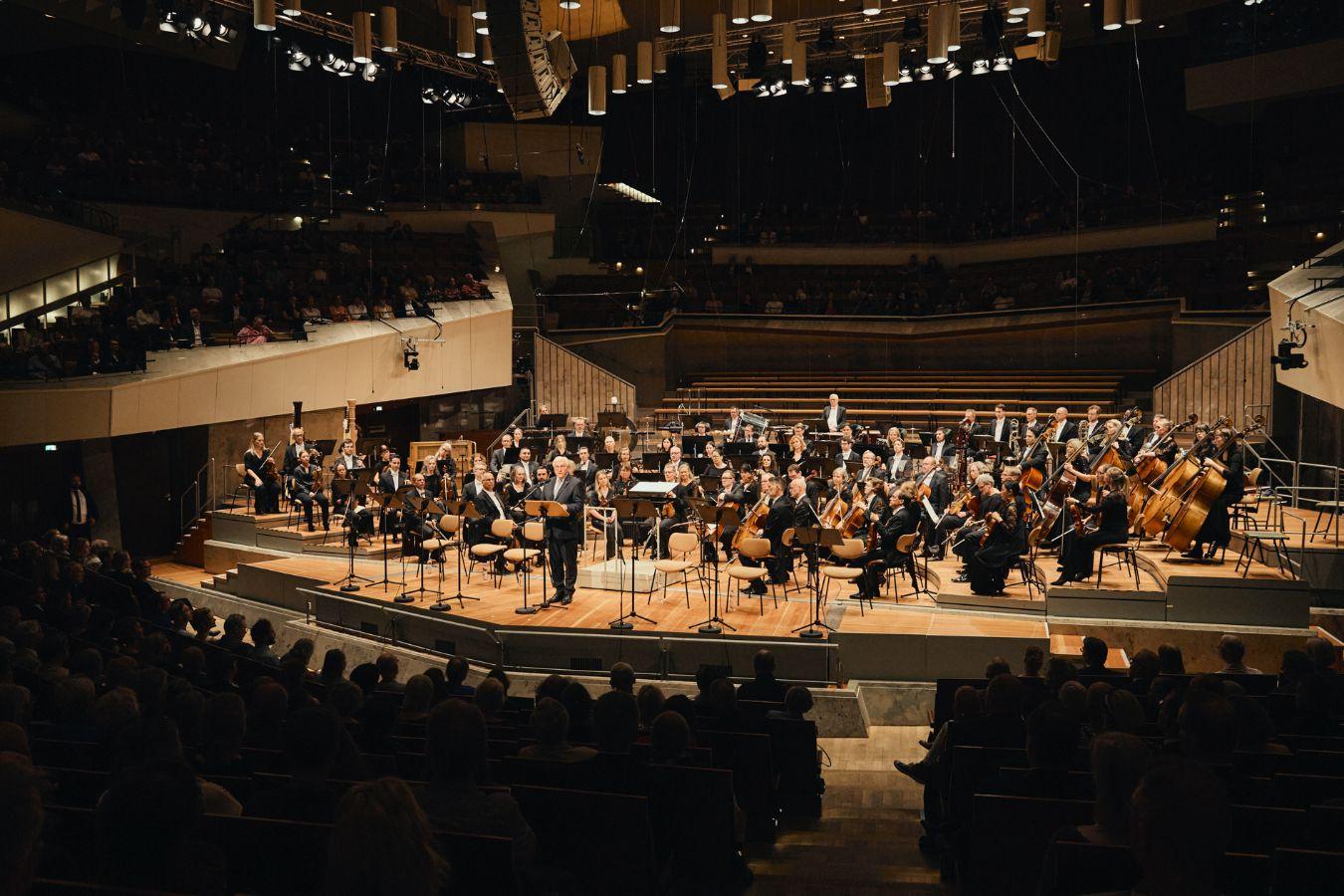
Norrköping Symphony Orchestra
© Berliner Festspiele, photo: Fabian Schellhorn
28 August to 20 September 2026
What If Berlin
Artistic Work on the Ringbahn
For the 75th anniversary, Japanese artist Akira Takayama invites the audience of the Berliner Festspiele to take a trip on Berlin’s Ringbahn. On four weekends he will organise “guided tours” of the 27 S-Bahn stations on the Ring, which he proposes to developing by realising a site-specific artistic project at each one. However, the ideas for these projects are not new, but have been found in the drawers of the Berliner Festwochen, the Berliner Festspiele, other Berlin cultural institutions and artists. Unrealised projects from the past will be presented on the Ringbahn by experienced tour guides – and thereby transposed to the present by Takayama, highlighting Berlin’s visible and invisible, old and new borders. At the end he will ask us which of the projects we actually want to see realised in the future – for the next Berlin, our New Berlin.
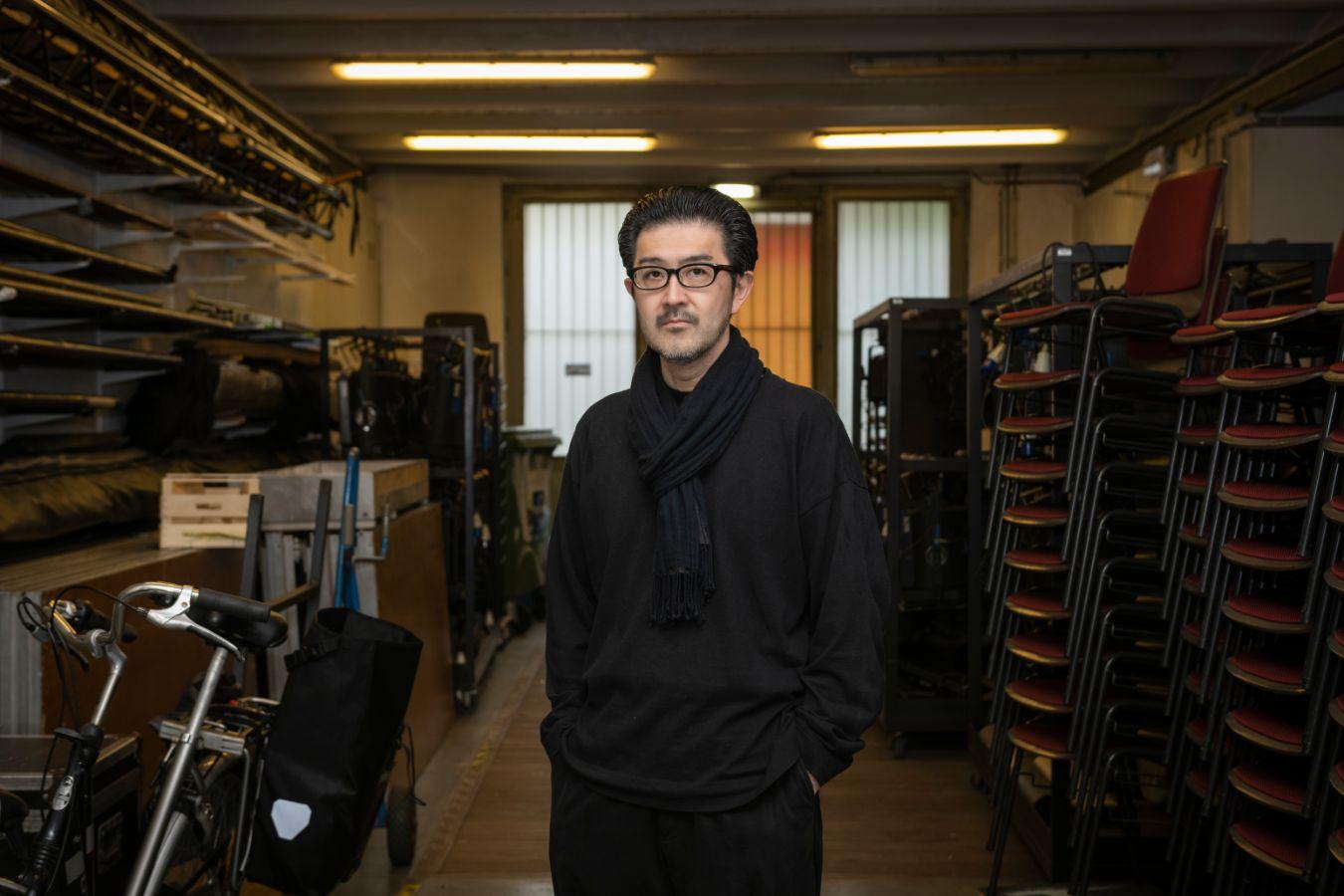
Akira Takayama
© private, photo: Bea Borgers
About the Berliner Festspiele – History
To the Berliner Festspiele chronicleTeam 75 Years of the Berliner Festspiele
Project Lead / Dramaturgy Moritz Frischkorn
Project Lead / Production Claudia Peters
Technical Director Maria Kusche
Assistant Dramaturgs Lisa Homburger, Jette Büchsenschütz
Technical Assistant Johann Arendt
Student Assistant Sophie Beck
Communications and Press Contact Nancy Henze
+49 30 254 89 228
nancy.henze@berlinerfestspiele.de