Current and Upcoming
Peter Hujar / Liz Deschenes: Persistence of Vision
19 March to 28 June 2026
Bringing together the works of Peter Hujar and Liz Deschenes, Persistence of Vision opens an intergenerational dialogue on photography. Working in New York City between the Stonewall uprising of 1969 and the onset of the AIDS crisis in the 1980s, Peter Hujar captured a pivotal cultural moment in piercing black-and-white photographs. In the exhibition, Hujar’s photographs are interspersed with contemporary works by New York City-based artist Liz Deschenes. These interludes invite viewers to pause, slow down and consider Hujar’s work in a new light.
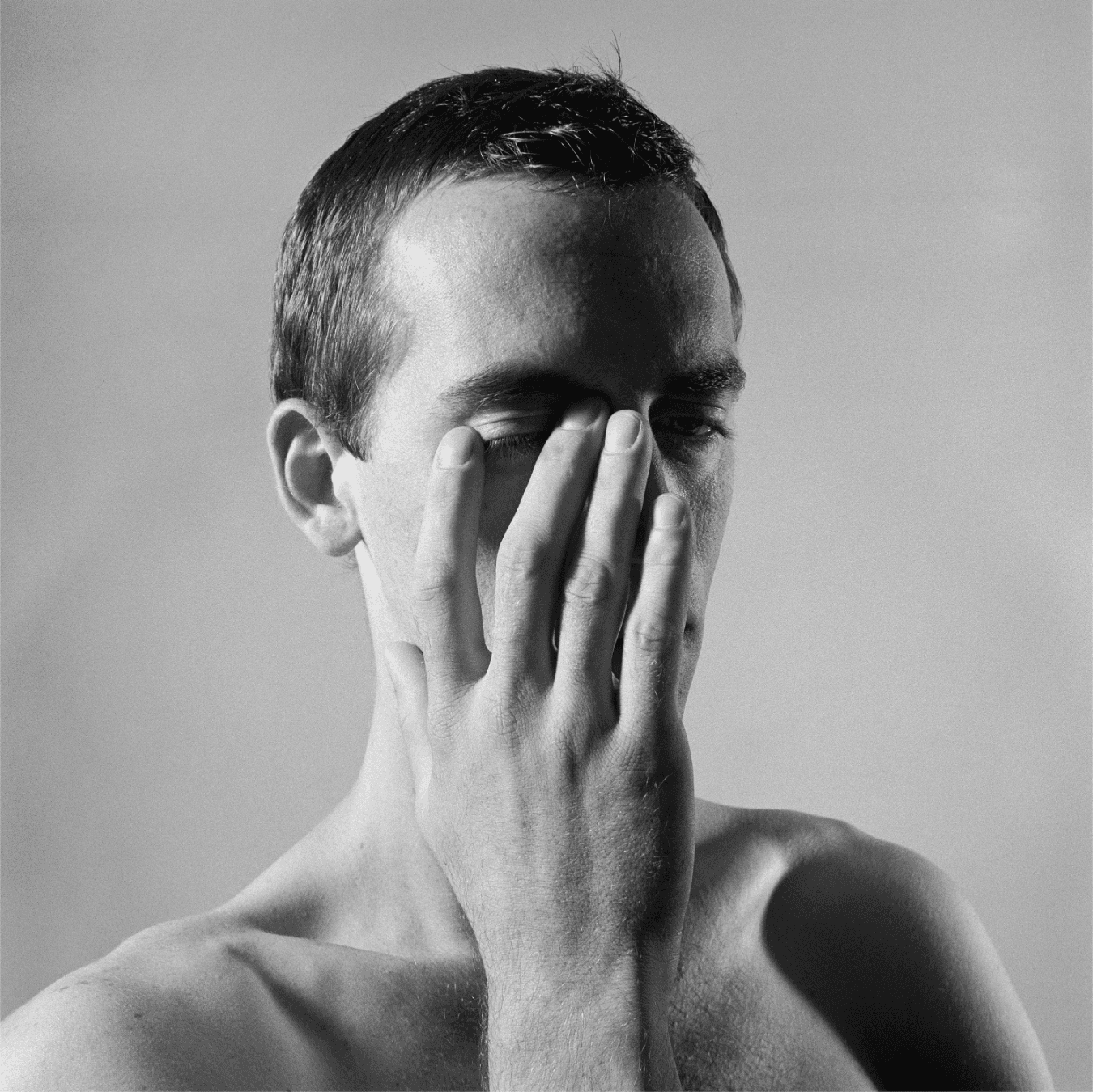
Peter Hujar, David Wojnarowicz (Hand Touching Eye), 1981
© The Peter Hujar Archive / VG Bild-Kunst, Bonn 2026
BAUBAU
A Play Space for Kids
Playing, laughing, making noise, letting off steam, doing nothing – all in an exhibition venue! With BAUBAU, the artist Kerstin Brätsch designed an admission-free play space for kids, where more is allowed than forbidden. On the Gropius Bau’s ground floor, colourful wallpapers, structures, objects and open-ended material called “loose parts” configure flexible spaces that are shaped by children’s activities. They set the tone and decide what happens in this place.
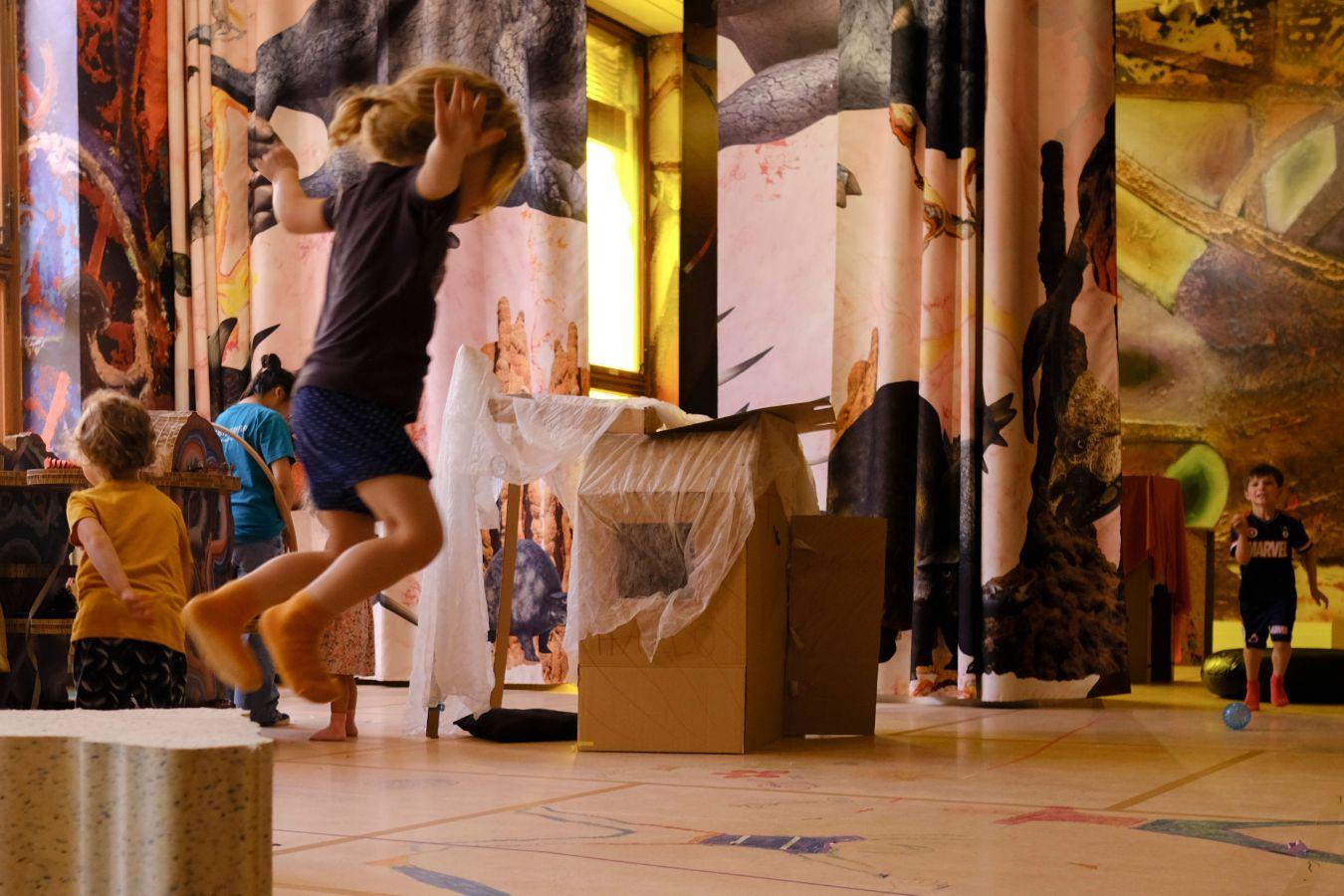
BAUBAU © Gropius Bau, photo: Guannan Li
Playing in the City
A Short History from 1900 to the Present
What has been the role of play in public space, both historically and in the present? Complementing BAUBAU, our free play space for kids, Gabriela Burkhalter’s Playing in the City presentation traces the history of playgrounds since their emergence in 1900 to today. The free presentation is open to all and can be seen in two rooms next to the play space’s entrance.
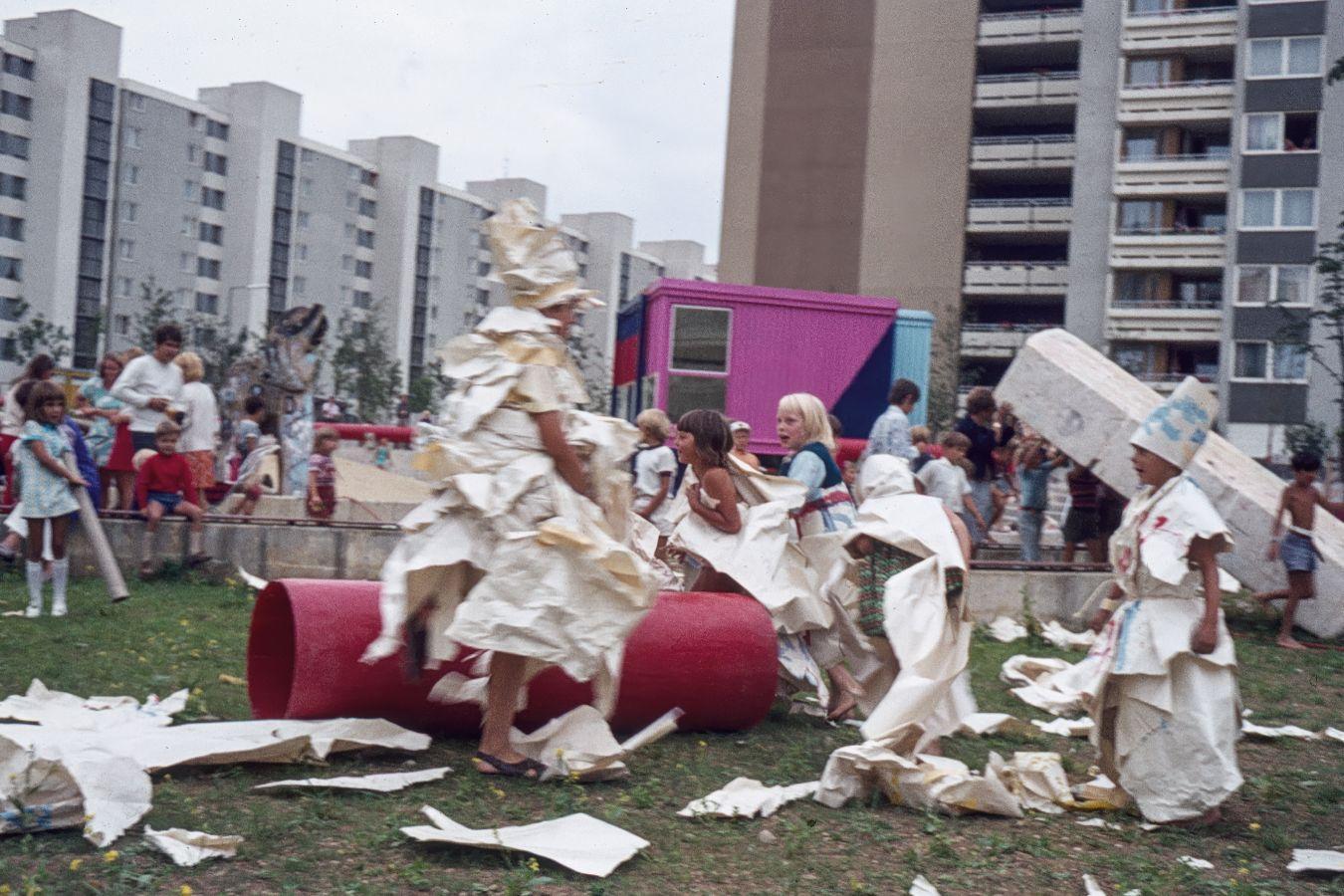
Play action by Pädagogische Aktion (PA), München-Neuperlach, FRG, 1971
© Wolfgang Zacharias
Marina Abramović: Balkan Erotic Epic. The Exhibition
15 April to 30 August 2026
One of the most influential performance artists of all time, Marina Abramović presents Balkan Erotic Epic. The Exhibition at Gropius Bau in spring 2026. The show traces her ongoing engagement with ritual, eroticism, death and the body as a site of political resistance. Drawing on the folklore of Abramović’s native Balkans, the exhibition weaves together filmic and sculptural installations with live performance to explore eroticism as an offering that binds life and death, the self and the cosmos.
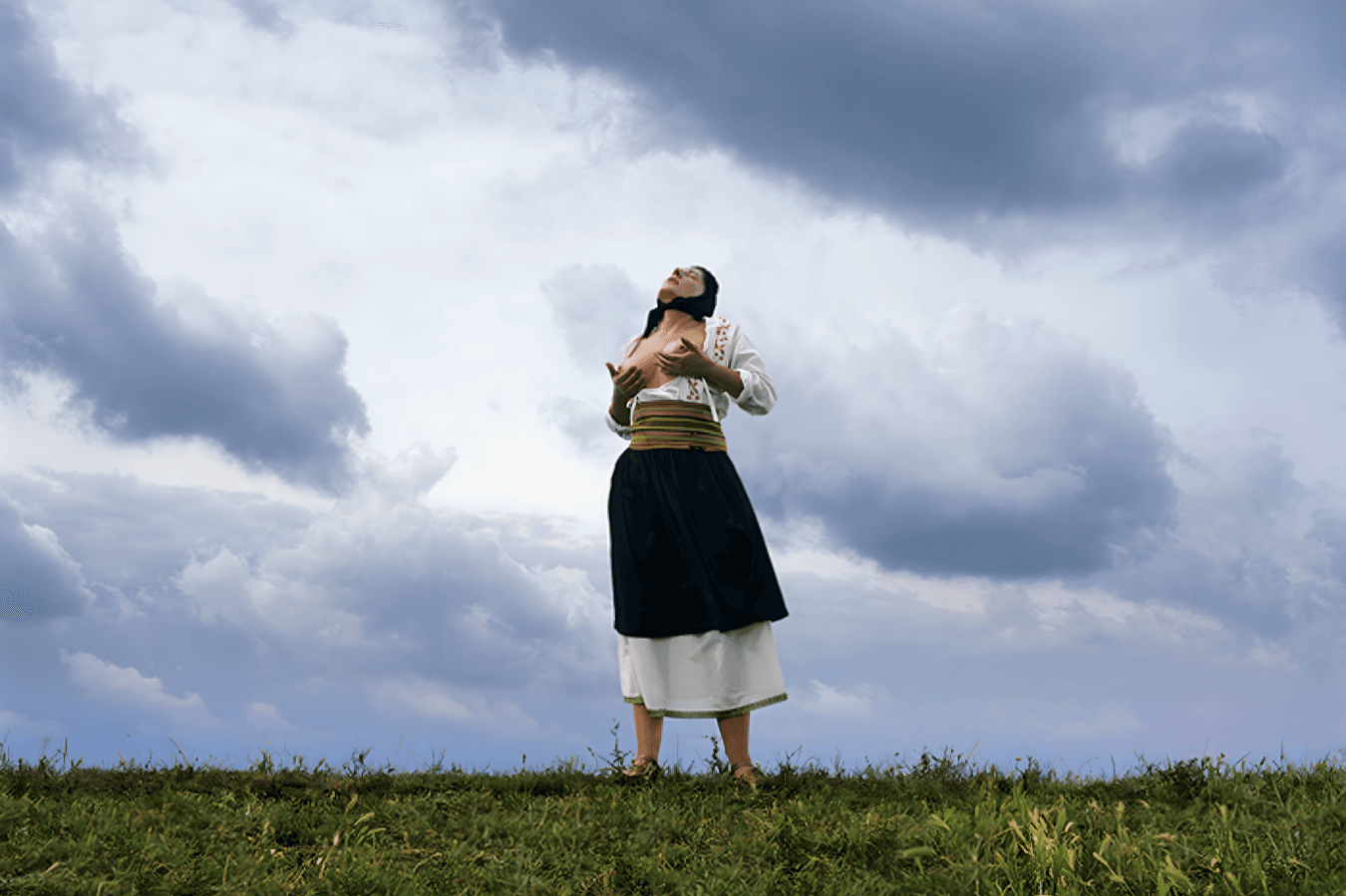
Marina Abramović, Women Massaging Breasts I from the series Balkan Erotic Epic, C-Print, 2005, Serbia
© Marina Abramović, Courtesy of the Marina Abramović Archives / VG Bild-Kunst, Bonn 2026
Gabriele Stötzer: Dabei sein und nicht schweigen
19 June to 6 December 2026
For more than five decades, Gabriele Stötzer has been grappling with questions of justice, gender and self-determination. Her own body often plays a central role in her work – not as an object, but as a site of resistance and feminist self-assertion. Opening at Gropius Bau in June 2026, Dabei sein und nicht schweigen (Showing up and Not Remaining Silent) will be the artist’s largest institutional solo exhibition to date.
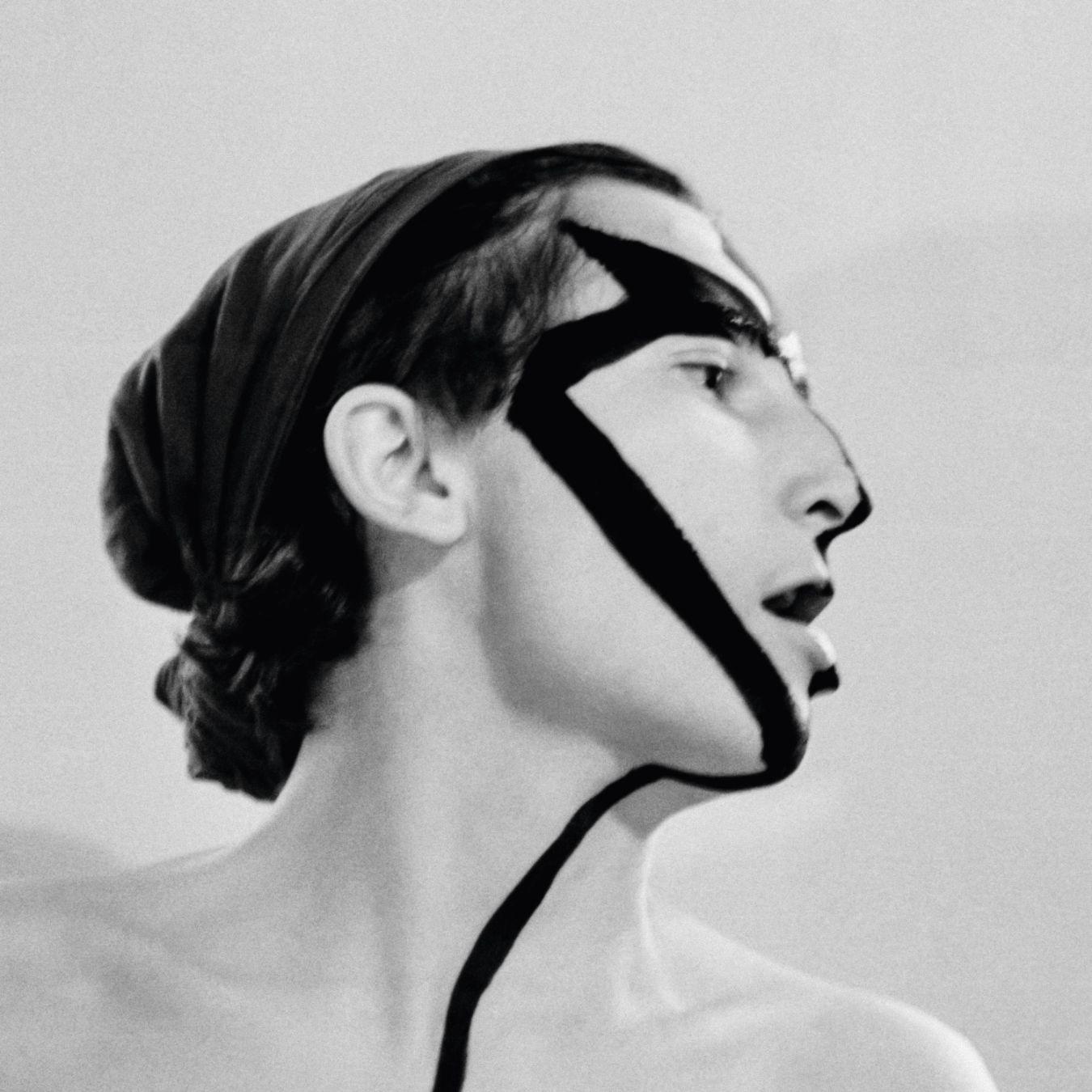
Gabriele Stötzer, Die Auslöschung eines Blicks – Ich trage meine Wunden heute offen, 1983, Courtesy: Gabriele Stötzer, photo: Heike Stephan
© VG Bild-Kunst, Bonn 2026
Kreuzberg (WT)
10 September 2026 to 17 January 2027
Nowhere were the social and cultural changes of 1960s and 1970s West Germany more powerfully manifest than in Berlin’s Kreuzberg neighbourhood. Here, the broader transformations reshaping life in the Federal Republic through labour recruitment agreements with countries including Italy, Greece, and Turkey became visible at the local scale. Opening in autumn 2026, the group exhibition Kreuzberg (working title) focuses on the diverse and largely overlooked cultural production on the topic of labour migration and on how artists in the neighbourhood have responded to the tensions and issues of their time.
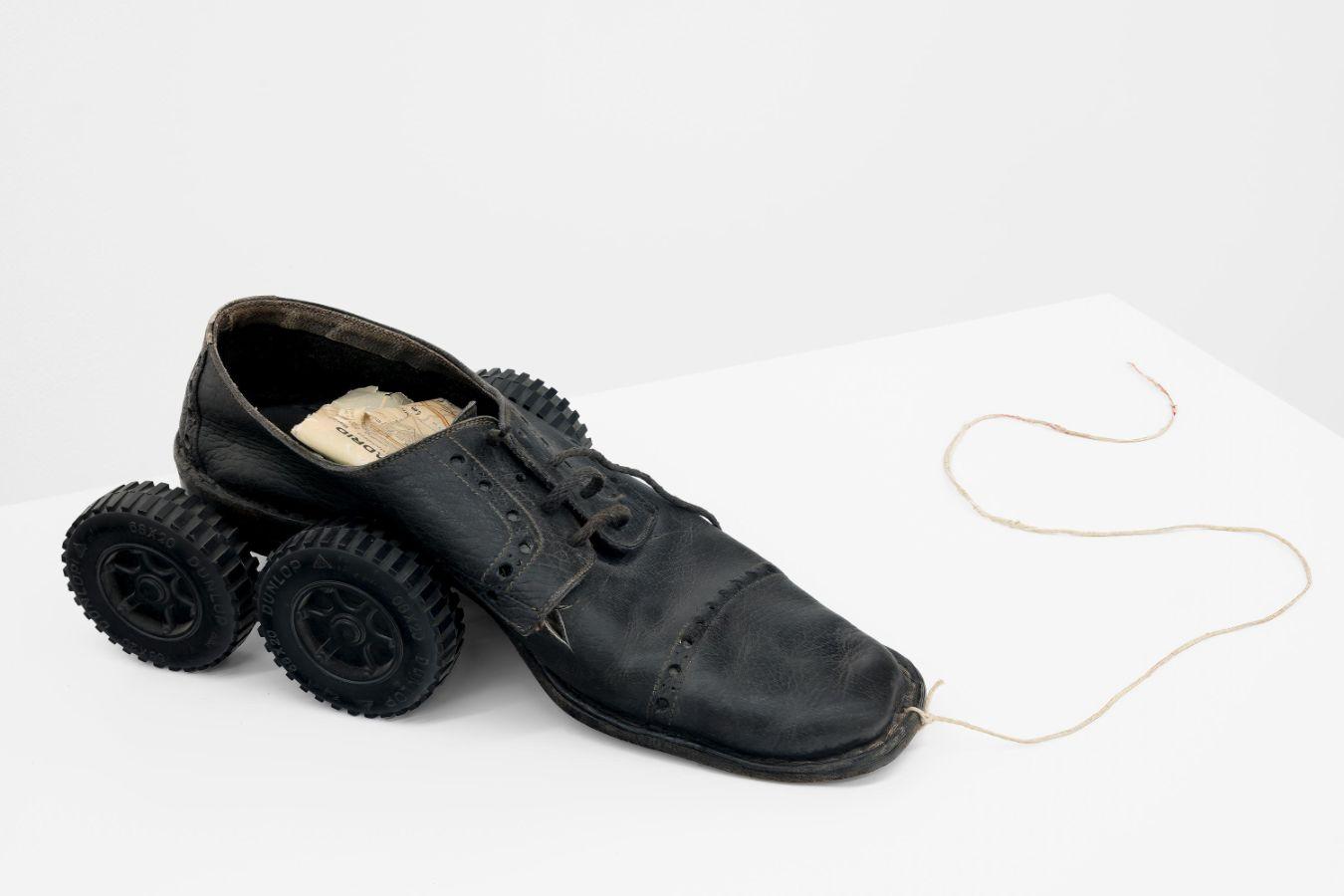
Vlassis Caniaris, L’émigrant, 1972.
Courtesy the Estate of the Artist and Galerie Peter Kilchmann, Zurich, Paris, photo: Hafid Lhachmi
Christoph Schlingensief: Es ist nicht mehr mein Problem, macht eure Scheiße alleine
9 October 2026 to 17 January 2027
Over the course of his artistic career, Christoph Schlingensief relentlessly confronted the absurdities of the present. In autumn 2026, Gropius Bau presents his visionary work with Es ist nicht mehr mein Problem, macht eure Scheiße alleine, an exhibition that spans the range of his œuvre from sensational political actions to radical stage productions and the coalescence of performance and visual art.
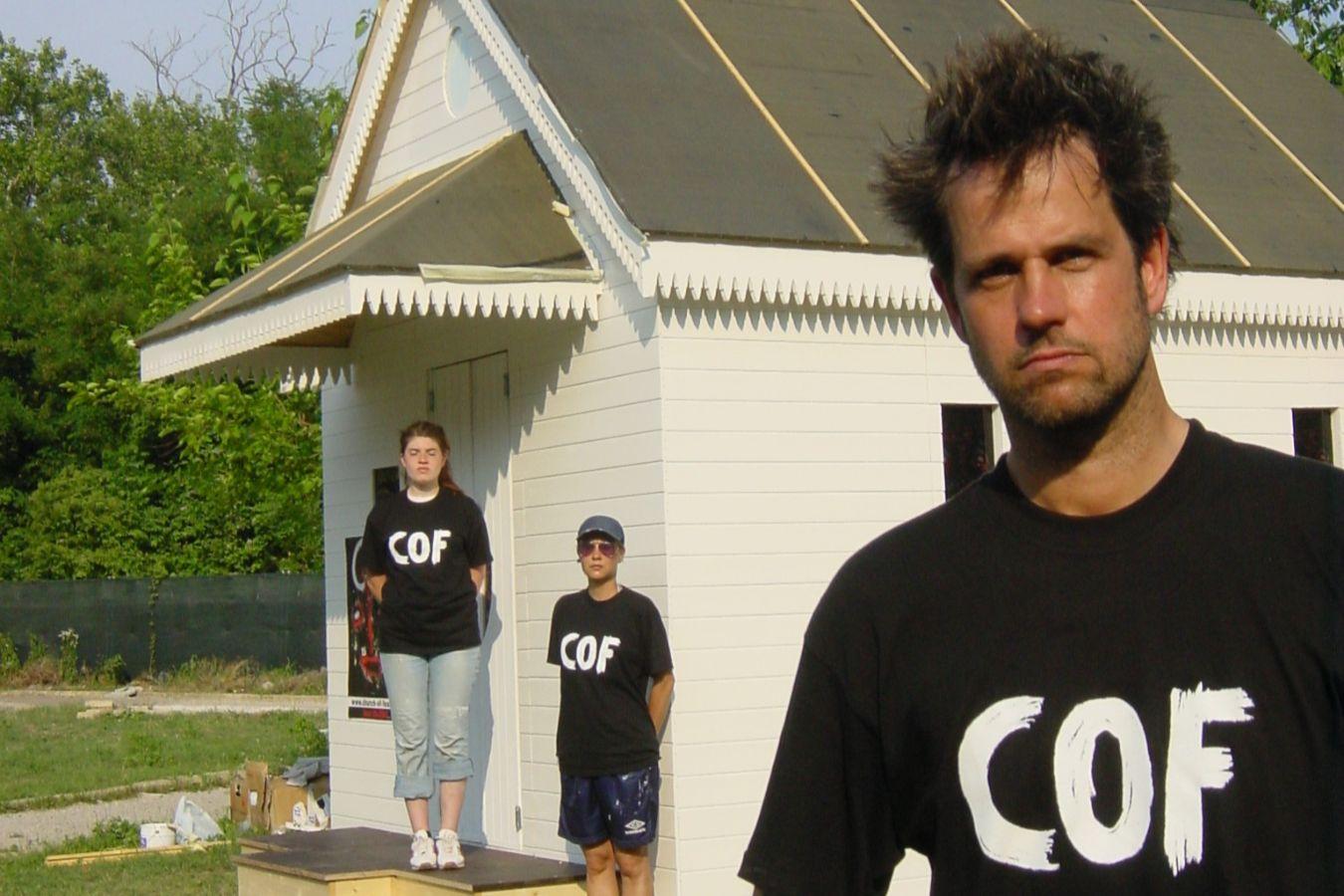
Christoph Schlingensief, Church of Fear, Biennale Venedig, 2003,
Courtesy of Christoph Schlingensief Estate, photo: Edzard Piltz
Florentina Holzinger SEAWORLD VENICE (WT)
Spring 2027
In spring 2027, Gropius Bau will present Florentina Holzinger’s interdisciplinary project SEAWORLD VENICE (working title), first realised for the Austrian Pavilion at the 61st La Biennale di Venezia in 2026, in an adapted version. Drawing on her research into the element of water, Holzinger explores the human body within a radically changing landscape, in which nature and technology collide.
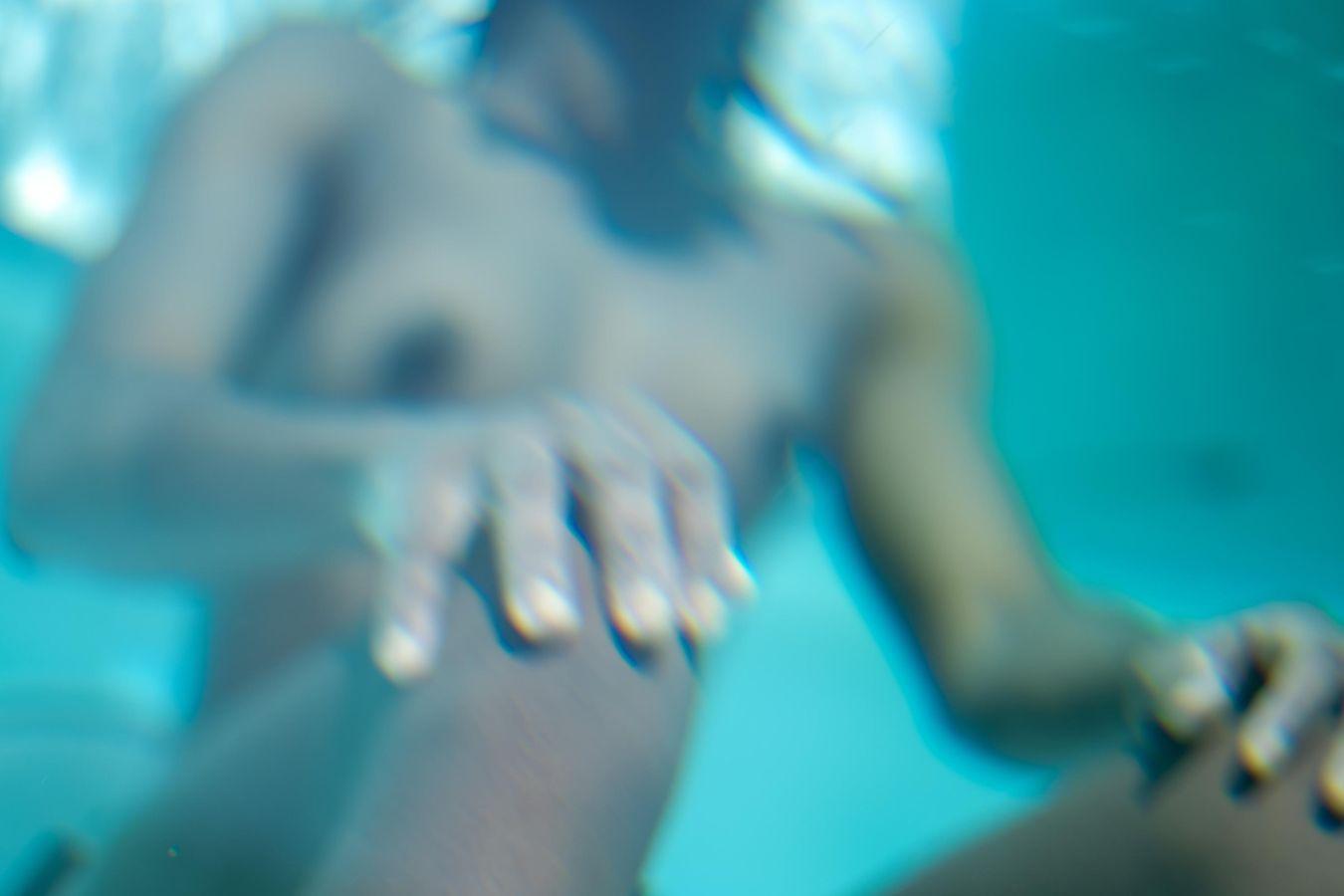
SEAWORLD VENICE, 2026, photo: Nicole Marianna Wytyczak
© VG Bild-Kunst, Bonn 2026