Press Images
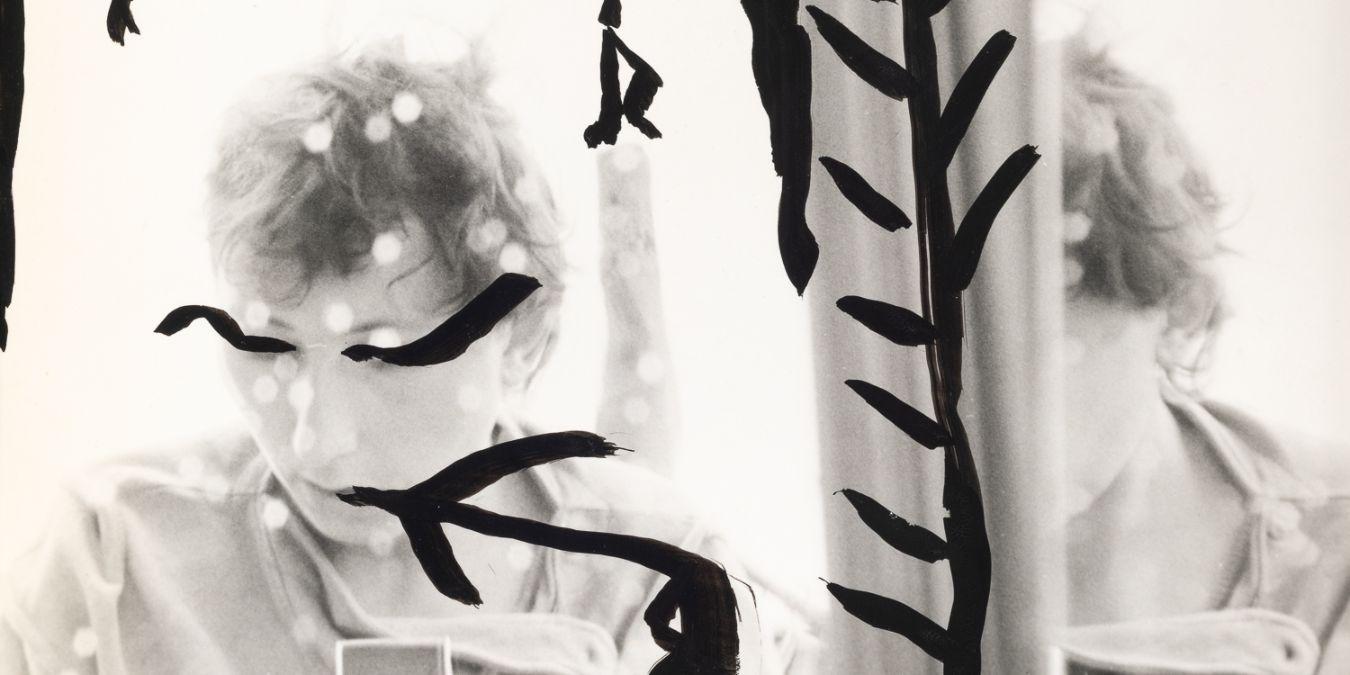
Gabriele Stötzer, Mir gegenüber – Selbst im Spiegel, 1985 © VG Bild-Kunst, Bonn 2026
Gabriele Stötzer: Dabei sein und nicht schweigen
Press Conference
We cordially invite you to the press preview of Gabriele Stötzer: Dabei sein und nicht schweigen on 18 June 2026 at 11:00.
RSVP: Please register via our onlineform. For interview requests with the artist Gabriele Stötzer or curator Julia Grosse, please contact presse@gropiusbau.de.
For more than five decades, Gabriele Stötzer has been grappling with questions of justice, gender and self-determination. Her own body often plays a central role in her work – not as an object, but as a site of resistance and feminist self-assertion. Opening at Gropius Bau in June 2026, Dabei sein und nicht schweigen will be the artist’s largest institutional solo exhibition to date. Stötzer’s artistic practice is inextricably linked to her social and political engagement. In 1976, she was detained for organising a petition, which the GDR authorities declared a “defamation of state.” Following a year-long imprisonment, she joined the literary and artistic underground and later co-founded the art collective Künstlerinnengruppe Erfurt.
Many of her works formulate radical counter-concepts to state repression and control by pushing boundaries through experimentation and making space for vulnerability and desire. With around 150 works, the exhibition highlights the diversity of her œuvre – encompassing painting, literature, photography, textile art, Super 8 film, performance and public interventions – and intends to catalyse the long-overdue broader recognition of this groundbreaking artist.
Curated by Julia Grosse, Strategic Consulting and Conceptual Development, Gropius Bau, with Christopher Wierling, Assistant Curator, Gropius Bau
Gabriele Stötzer: Dabei sein und nicht schweigen is funded by the Kulturstiftung des Bundes (German Federal Cultural Foundation).
Press Images
A selection of press images is available for media coverage of Gabriele Stötzer: Dabei sein und nicht schweigen. Please contact presse@gropiusbau.de to request the login data to download high res press images.
The images can be downloaded and used free of charge prior to and during the exhibition period. Please note that images may not be cropped, overprinted or modified. We look forward to receiving any digital or hardcopy samples of publications.
Please forward or send them to the following address:
Gropius Bau
Birgit Schapow / Press Office
Niederkirchnerstraße 7
10963 Berlin
presse@gropiusbau.de
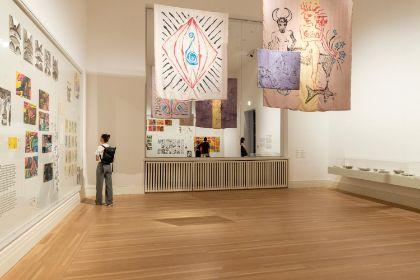
Gabriele Stötzer: Dabei sein und nicht schweigen, installation view, Gropius Bau, 2026
© Gropius Bau, photo: Rosa Merk
JPEG, 770.21 KB
This file is password protected
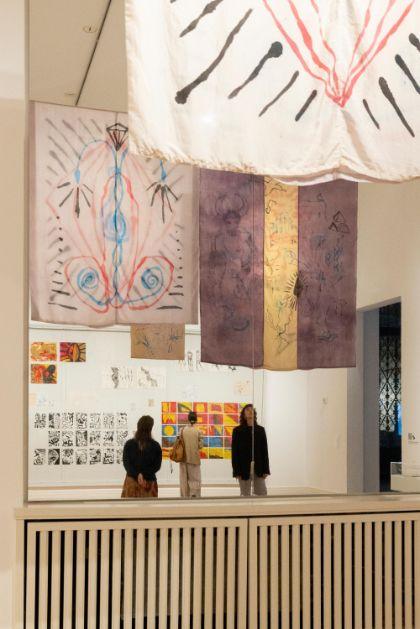
Gabriele Stötzer: Dabei sein und nicht schweigen, installation view, Gropius Bau, 2026
© Gropius Bau, photo: Rosa Merk
JPEG, 919.4 KB
This file is password protected
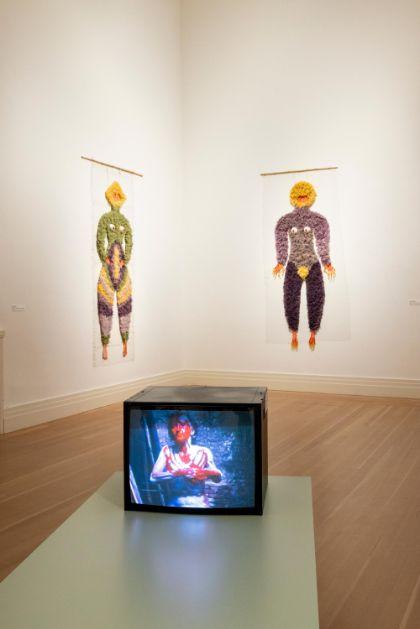
Gabriele Stötzer: Dabei sein und nicht schweigen, installation view, Gropius Bau, 2026
© Gropius Bau, photo: Rosa Merk
JPEG, 512.4 KB
This file is password protected
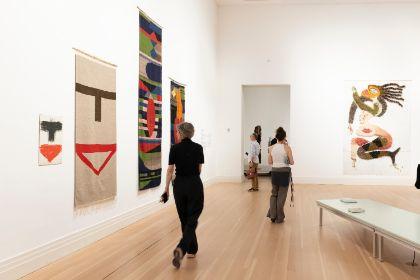
Gabriele Stötzer: Dabei sein und nicht schweigen, installation view, Gropius Bau, 2026
© Gropius Bau, photo: Rosa Merk
JPEG, 531.15 KB
This file is password protected
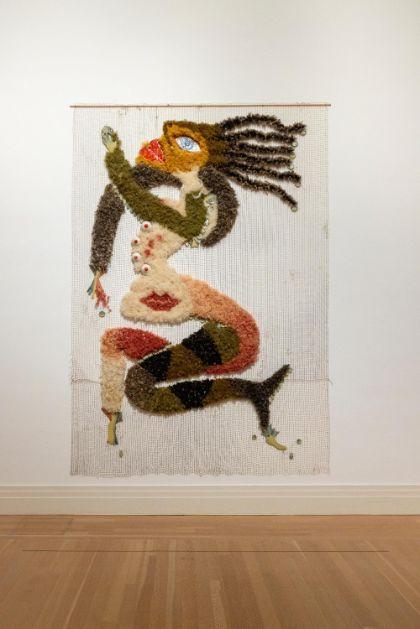
Gabriele Stötzer: Dabei sein und nicht schweigen, installation view, Gropius Bau, 2026
© Gropius Bau, photo: Rosa Merk
JPEG, 1.04 MB
This file is password protected
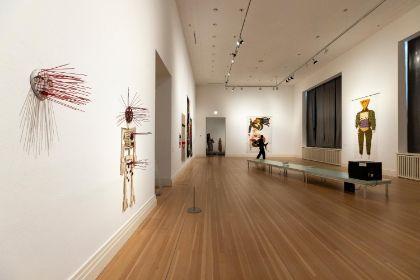
Gabriele Stötzer: Dabei sein und nicht schweigen, installation view, Gropius Bau, 2026
© Gropius Bau, photo: Rosa Merk
JPEG, 741.98 KB
This file is password protected
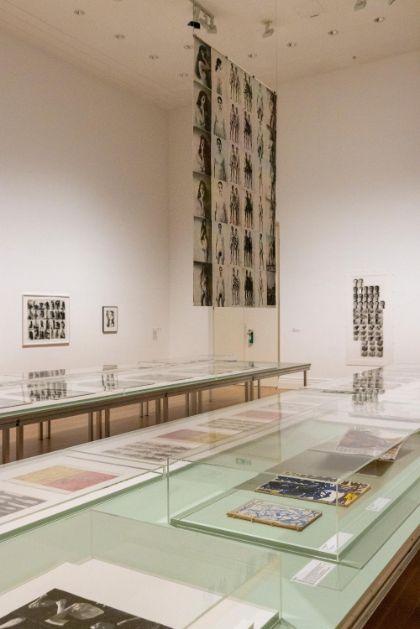
Gabriele Stötzer: Dabei sein und nicht schweigen, installation view, Gropius Bau, 2026
© Gropius Bau, photo: Rosa Merk
JPEG, 971.89 KB
This file is password protected
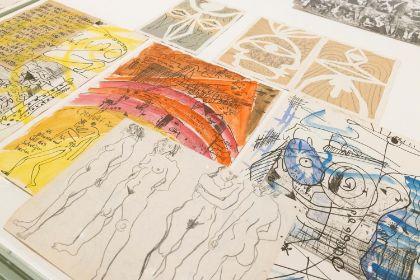
Gabriele Stötzer: Dabei sein und nicht schweigen, installation view, Gropius Bau, 2026
© Gropius Bau, photo: Rosa Merk
JPEG, 1.07 MB
This file is password protected
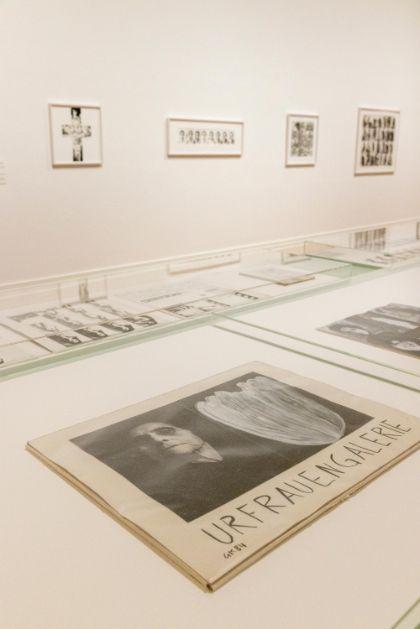
Gabriele Stötzer: Dabei sein und nicht schweigen, installation view, Gropius Bau, 2026
© Gropius Bau, photo: Rosa Merk
JPEG, 699.56 KB
This file is password protected
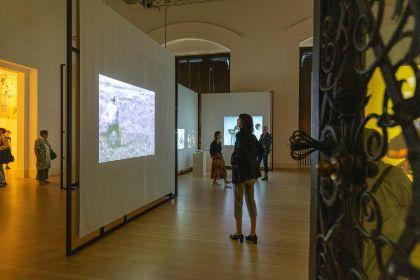
Gabriele Stötzer: Dabei sein und nicht schweigen, installation view, Gropius Bau, 2026
© Gropius Bau, photo: Rosa Merk
JPEG, 1.2 MB
This file is password protected
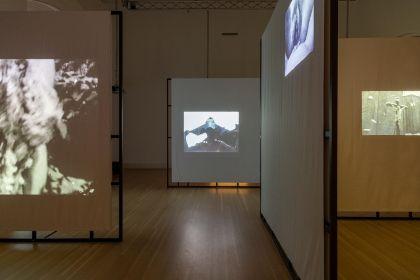
Gabriele Stötzer: Dabei sein und nicht schweigen, installation view, Gropius Bau, 2026
© Gropius Bau, photo: Rosa Merk
JPEG, 578.05 KB
This file is password protected
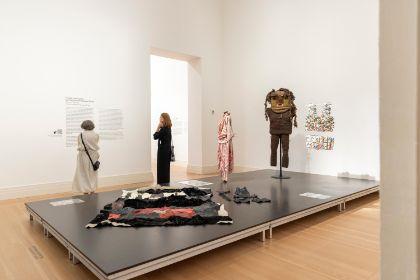
Gabriele Stötzer: Dabei sein und nicht schweigen, installation view, Gropius Bau, 2026
© Gropius Bau, photo: Rosa Merk
JPEG, 500.07 KB
This file is password protected
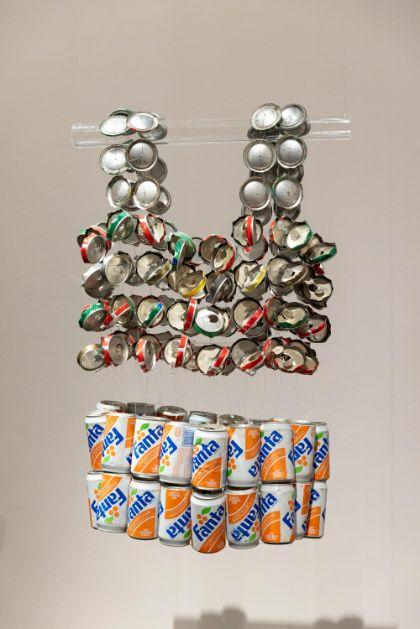
Gabriele Stötzer: Dabei sein und nicht schweigen, installation view, Gropius Bau, 2026
© Gropius Bau, photo: Rosa Merk
JPEG, 678.39 KB
This file is password protected
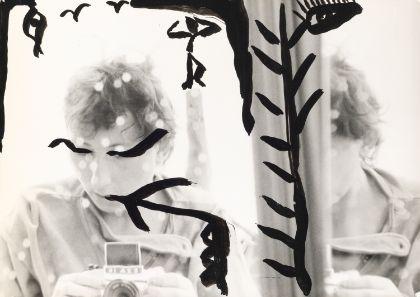
Gabriele Stötzer, Mir gegenüber – Selbst im Spiegel, 1985
© VG Bild-Kunst, Bonn 2025
JPEG, 805.45 KB
This file is password protected
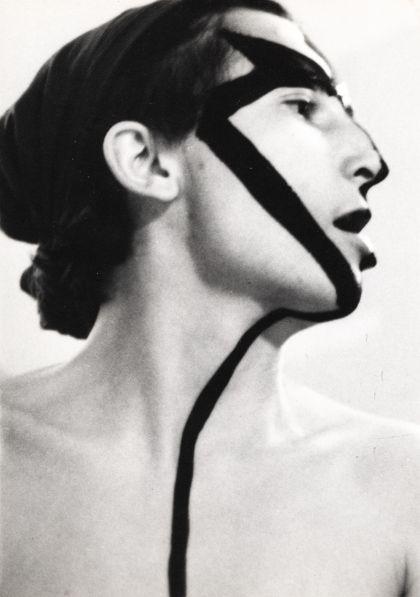
Gabriele Stötzer, Die Auslöschung eines Blicks – Ich trage meine Wunden heute offen, 1983, Courtesy: Gabriele Stötzer, photo: Heike Stephan
© VG Bild-Kunst, Bonn 2026
JPEG, 988.6 KB
This file is password protected
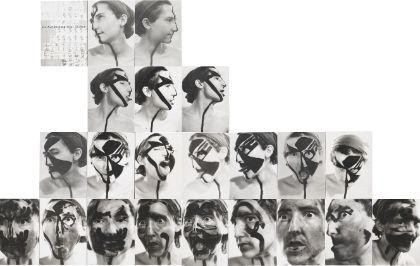
Gabriele Stötzer, Die Auslöschung eines Blicks – Ich trage meine Wunden heute offen, 1983, Courtesy: Gabriele Stötzer, photo: Heike Stephan
© VG Bild-Kunst, Bonn 2026
JPEG, 1.52 MB
This file is password protected
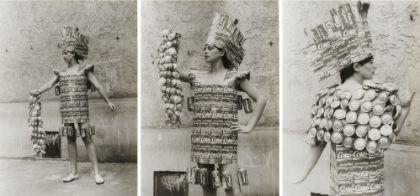
Gabriele Stötzer, Römisches Korsett, 1990, Courtesy: Gabriele Stötzer
© VG Bild-Kunst, Bonn 2026
JPEG, 321.29 KB
This file is password protected
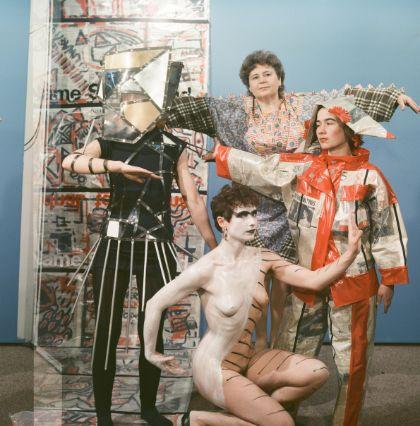
From left to right: Vereny Kyselka in a newsreader costume, Gabriele Göbel painted, Ingrid Plöttner in a dragon dress, Monika Andres in a newspaper costume; Erfurt, 1989, Courtesy: Künstlerinnengruppe Erfurt
© Gabriele Stötzer, photo: Christiane Wagner
JPEG, 4.84 MB
This file is password protected
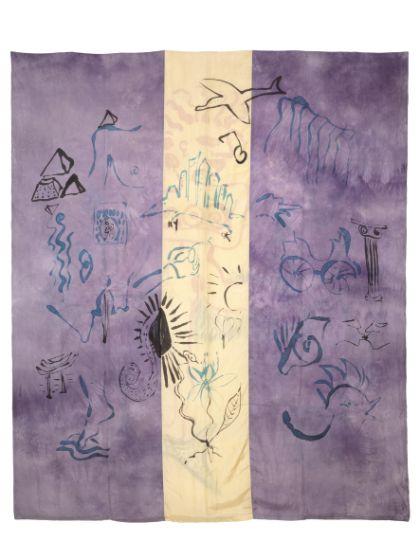
Gabriele Stötzer, Bettbezug II, 1993/94, Courtesy: Gabriele Stötzer
© VG Bild-Kunst, Bonn 2026
JPEG, 1.27 MB
This file is password protected
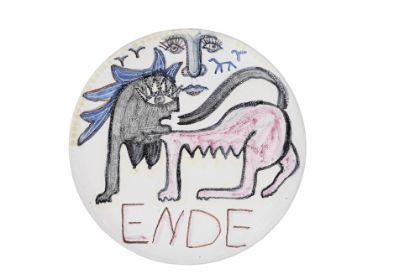
Gabriele Stötzer, Sphinx, die sich in den Schwanz beißt, 1983, Courtesy: Gabriele Stötzer
Gabriele Stötzer, Sphinx, die sich in den Schwanz beißt, 1983, glazed ceramic plate, 27,5 x 27,5 cm, Courtesy: Gabriele Stötzer
© VG Bild-Kunst, Bonn 2026
JPEG, 248.02 KB
This file is password protected
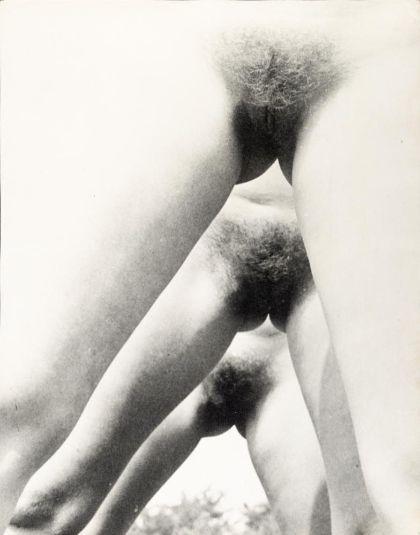
Gabriele Stötzer, Hüpstedt, 1981, Courtesy: Gabriele Stötzer, photo: Ralf Klement © VG Bild-Kunst, Bonn 2026
© VG Bild-Kunst, Bonn 2026
JPEG, 78.26 KB
This file is password protected
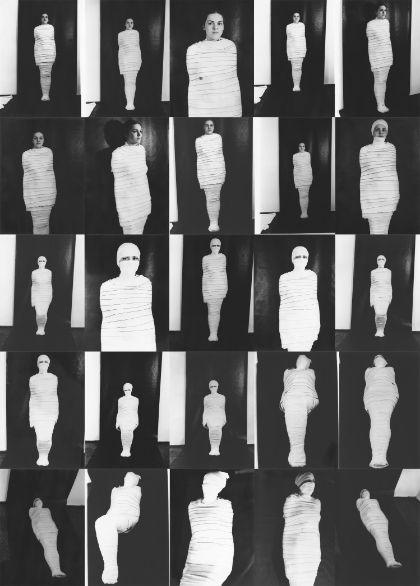
Gabriele Stötzer, Mumie, 1984/2025, Courtesy: Gabriele Stötzer
© VG Bild-Kunst, Bonn 2026
JPEG, 756.57 KB
This file is password protected
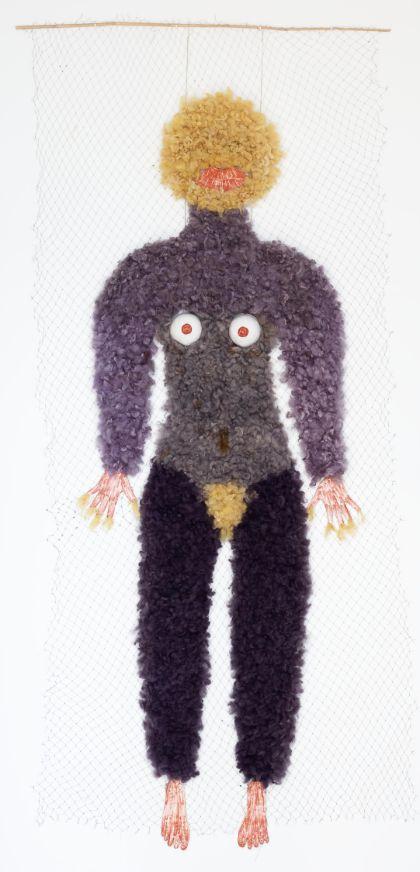
Gabriele Stötzer, Die unbotmäßige Frau, 2022, Courtesy: Gabriele Stötzer
© VG Bild-Kunst, Bonn 2026
JPEG, 945.79 KB
This file is password protected
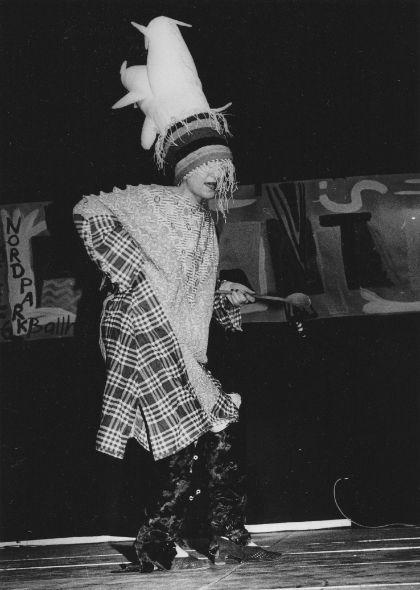
Gabriele Stötzer at a fashion show by the Künstlerinnengruppe Erfurt, Ballhaus im Nordpark, Düsseldorf, 1992, Courtesy: Künstlerinnengruppe Erfurt, from the archive of Gabriele Stötzer
© Gabriele Stötzer
JPEG, 612.33 KB
This file is password protected

Gabriele Stötzer, Gesten - Selbstinszenierung, 1981, Courtesy: Gabriele Stötzer, photo: Cornelia Schleime
© VG Bild-Kunst, Bonn 2026
JPEG, 884.89 KB
This file is password protected
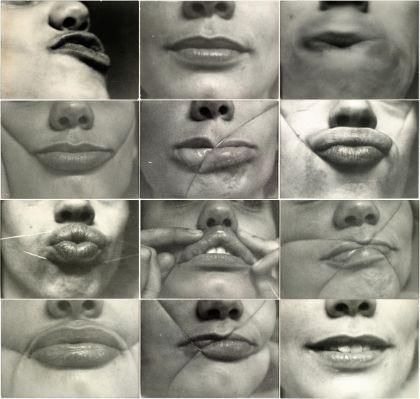
vGabriele Stötzer, Lippen mit Draht, 1983, Courtesy: Gabriele Stötzer
© VG Bild-Kunst, Bonn 2026
JPEG, 2.75 MB
This file is password protected
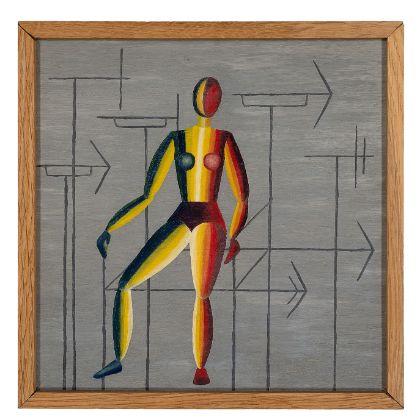
Gabriele Stötzer, Regenbogenfrau, 1978/79, Courtesy: Gabriele Stötzer
© VG Bild-Kunst, Bonn 2026
JPEG, 1.35 MB
This file is password protected